
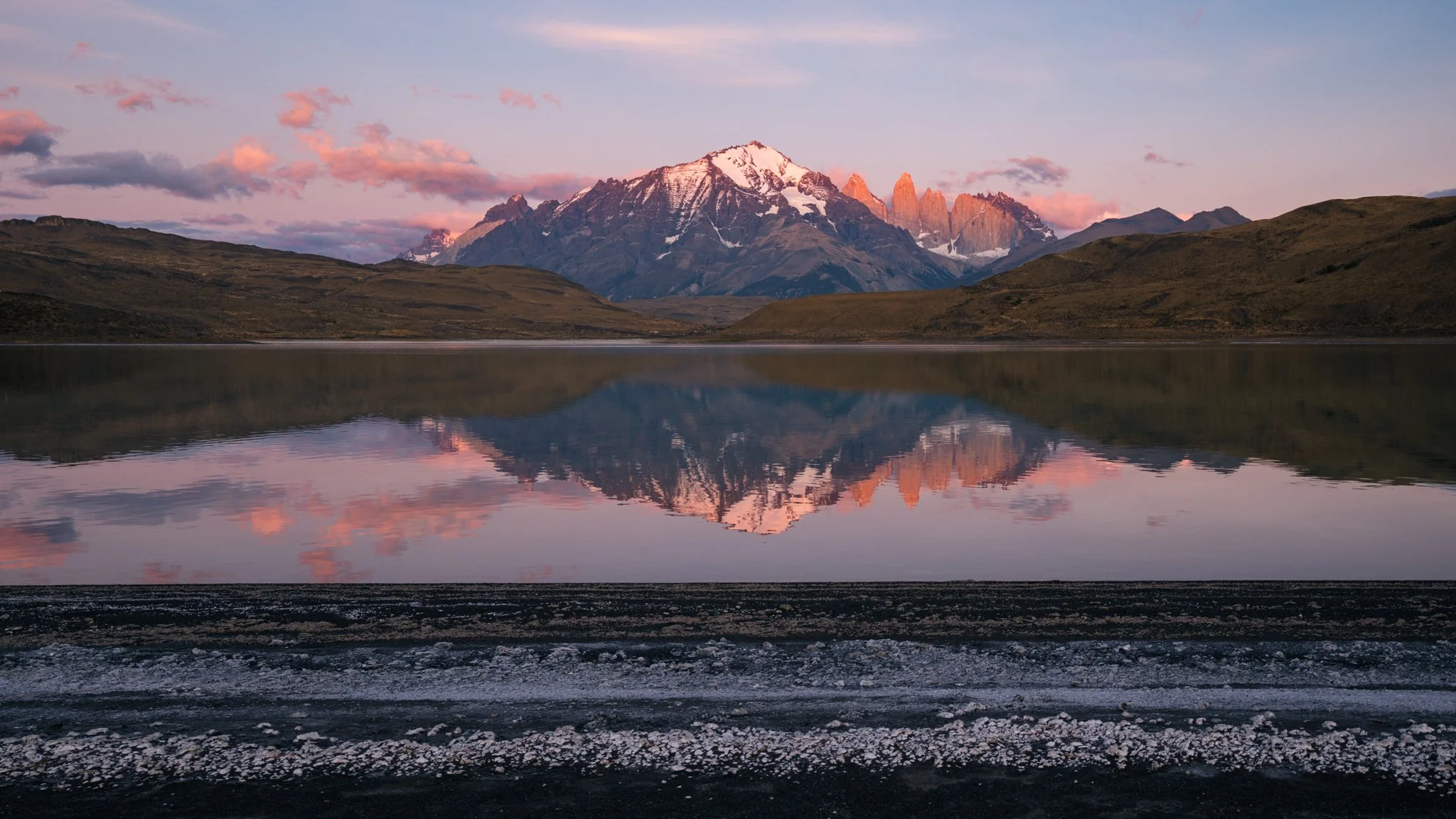
Pumas, Condors, Guanacos, and the Towers of Paine
Pumas of Patagonia Photography Expedition
Trip Highlights
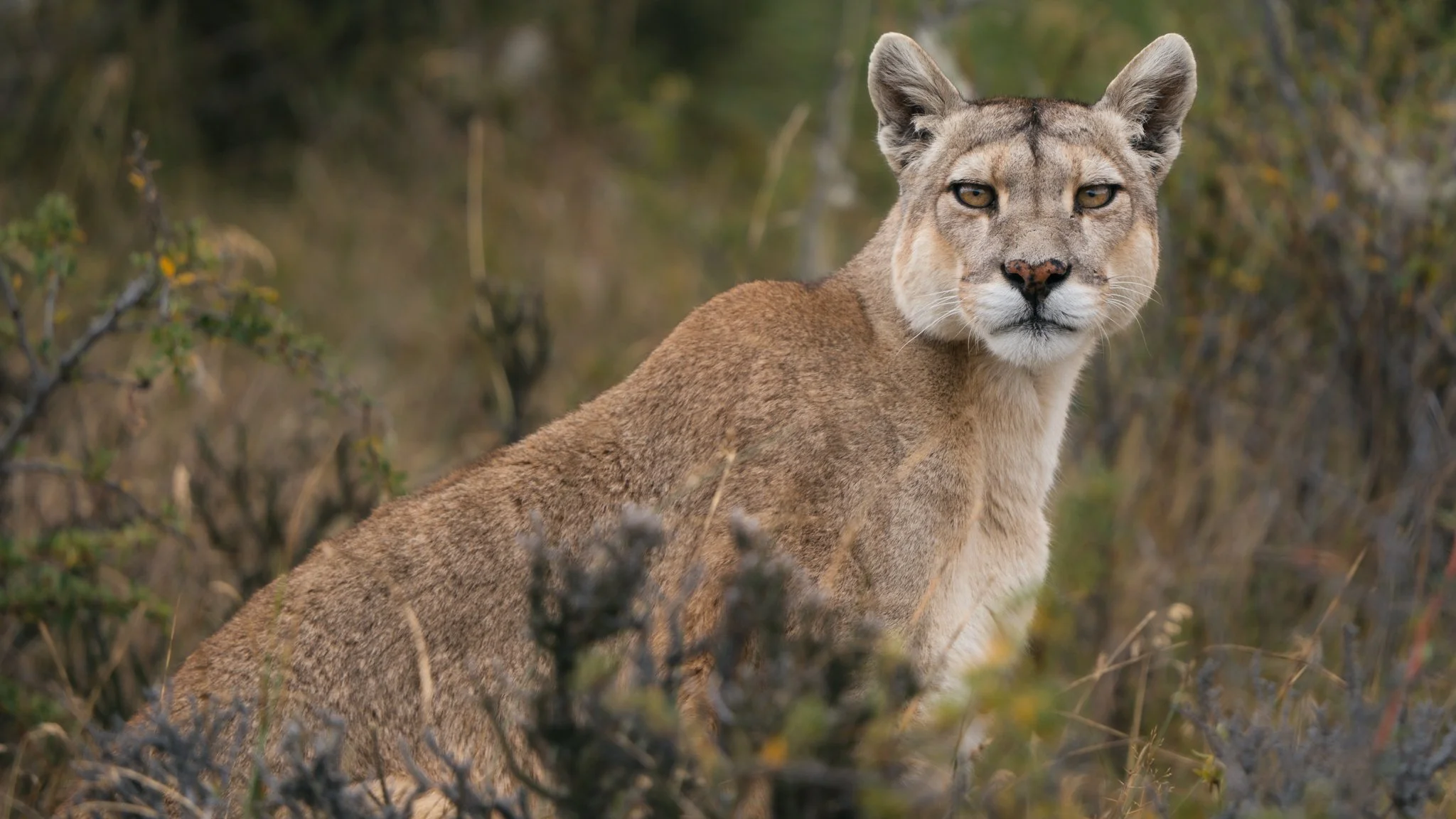
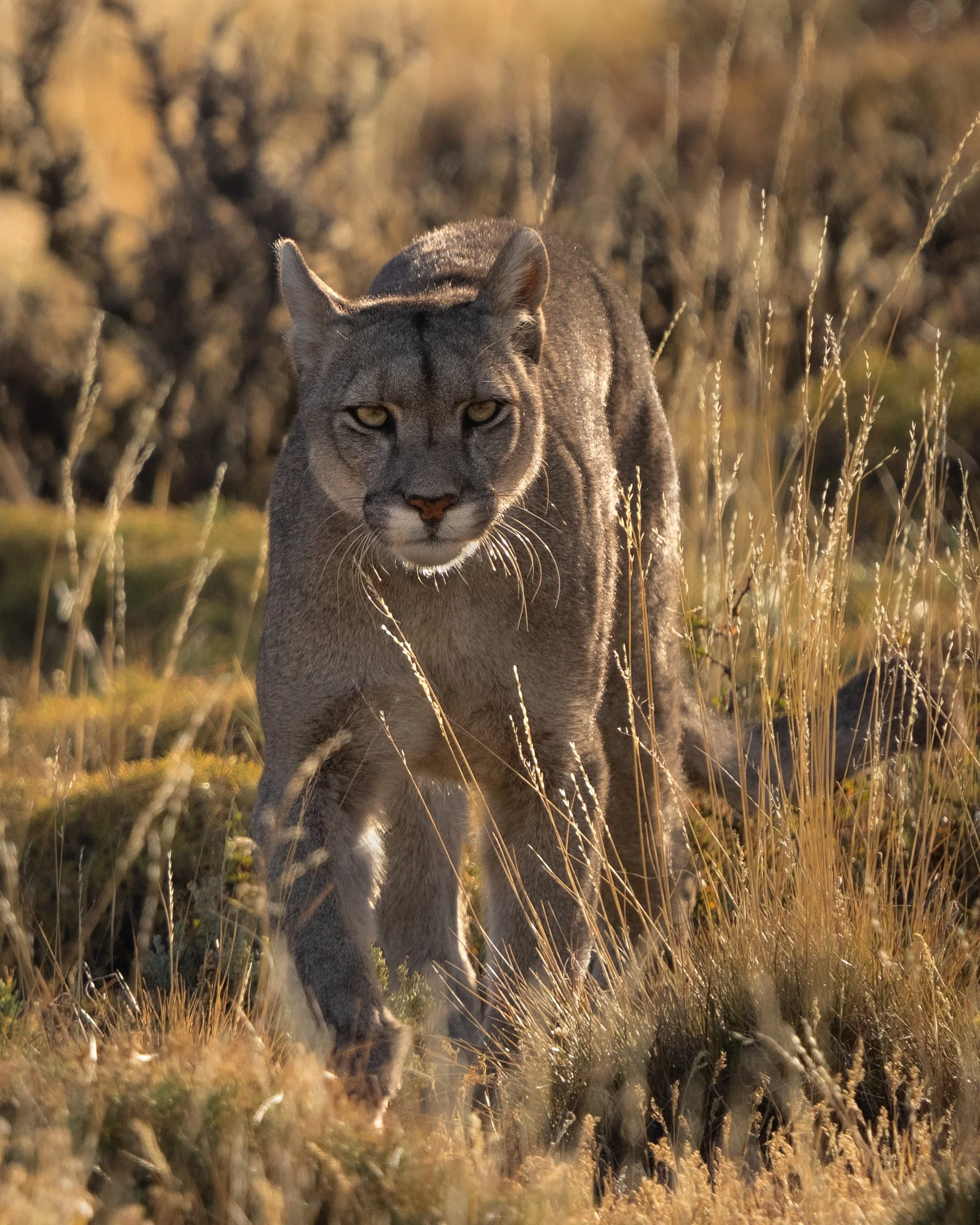
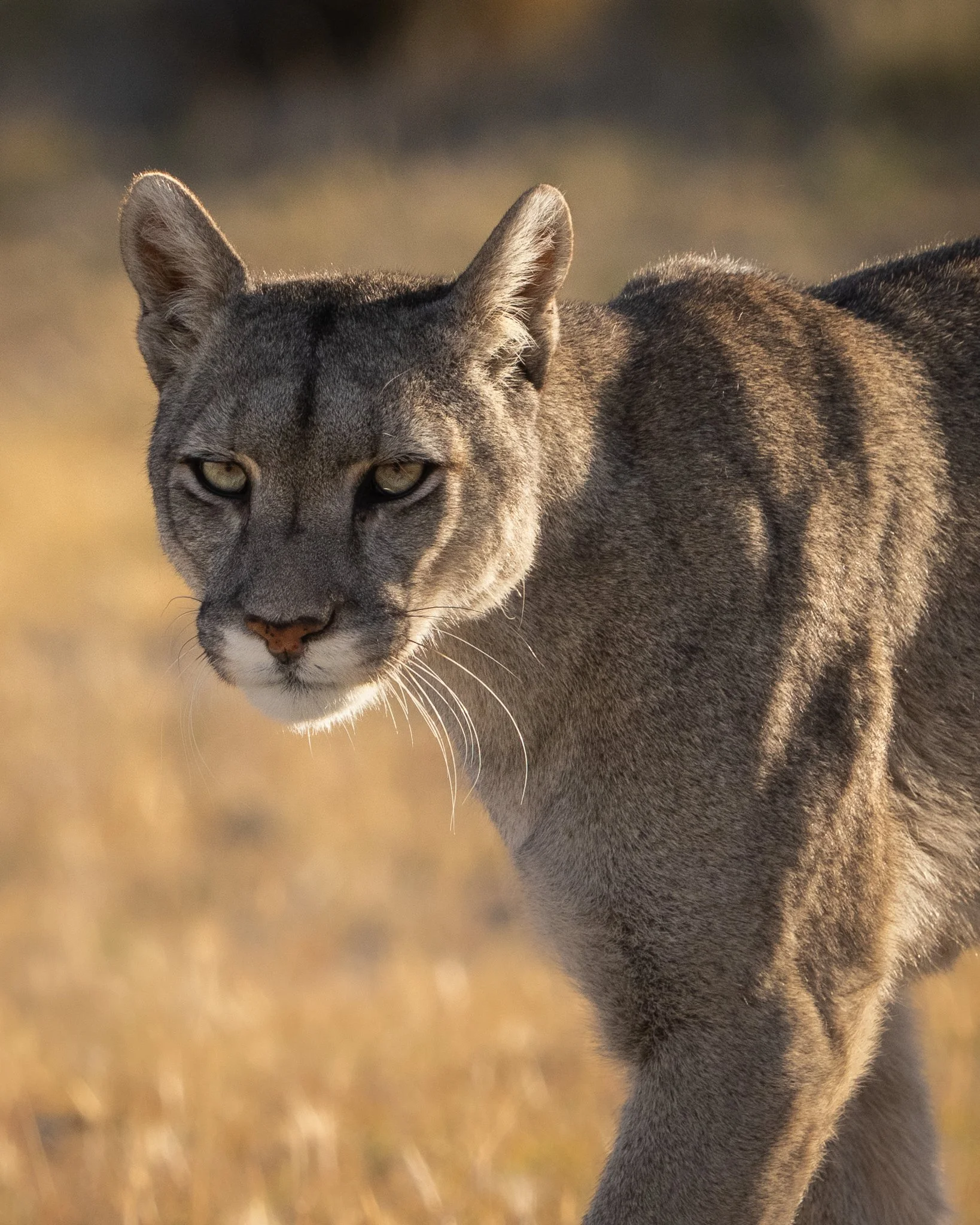
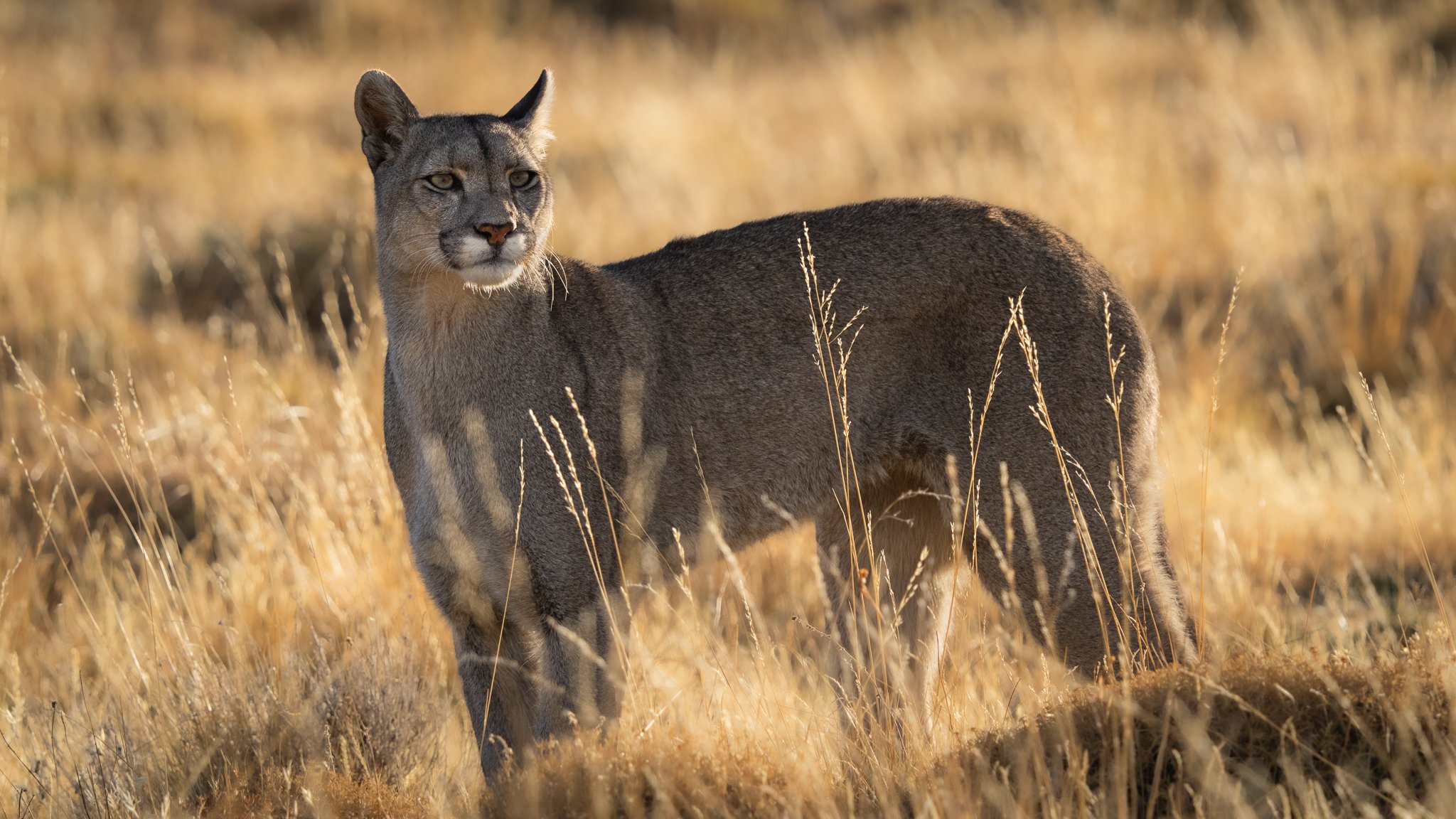
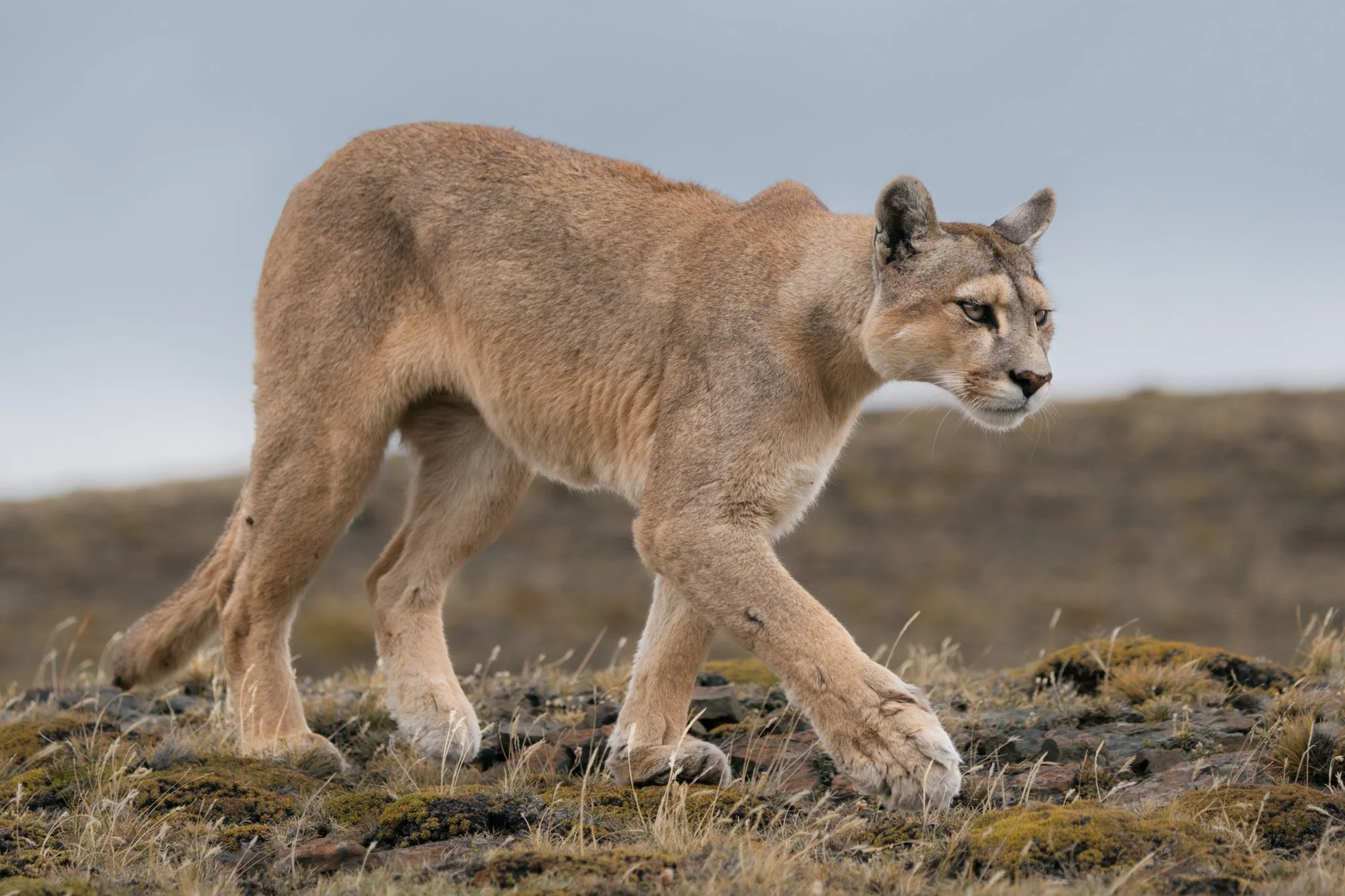
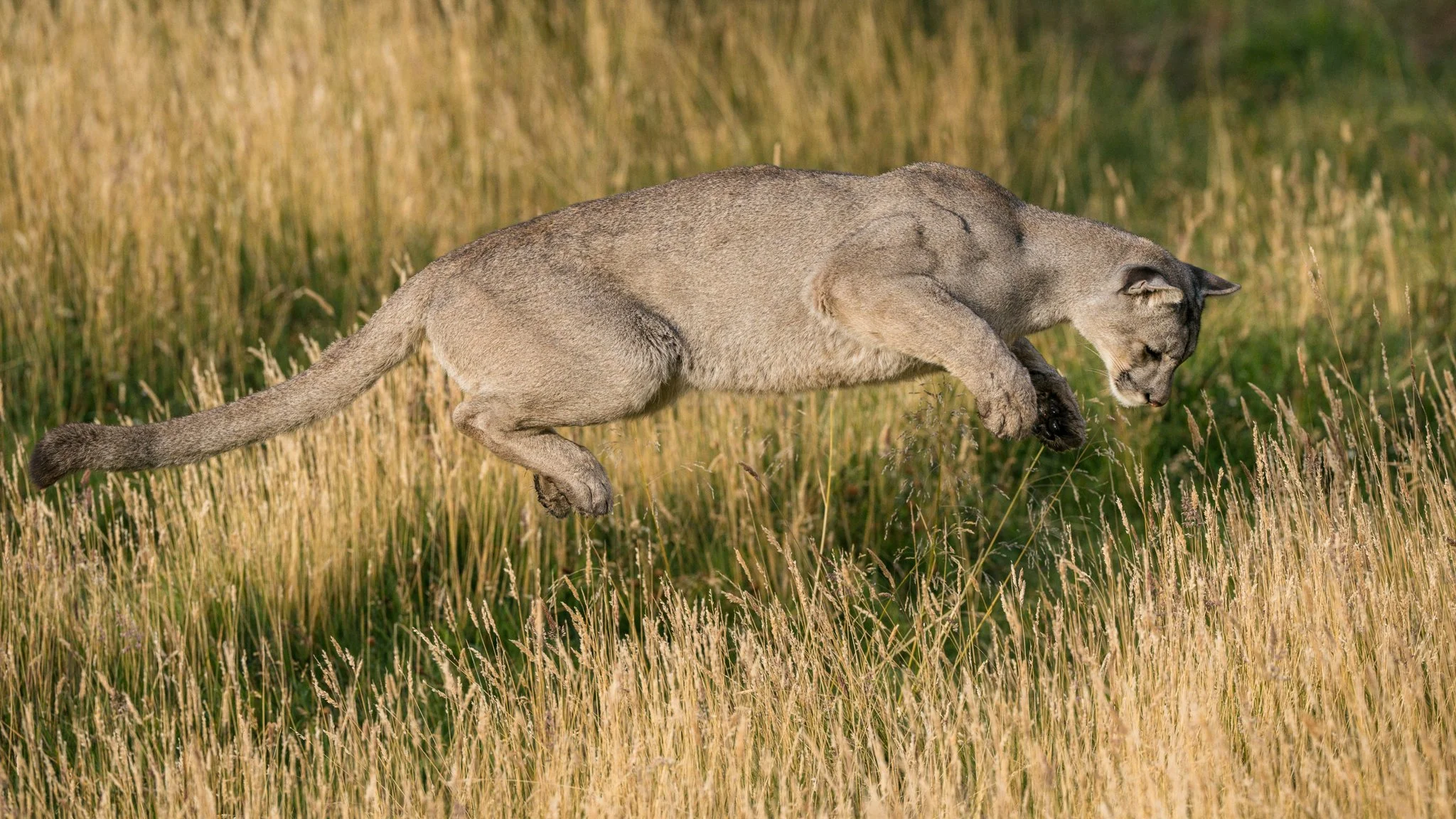
Seven full days tracking wild pumas in the Cerro Castillo grasslands beside Torres del Paine
Patagonian autumn at its peak: lenga forests in full colour and soft photographic light all day
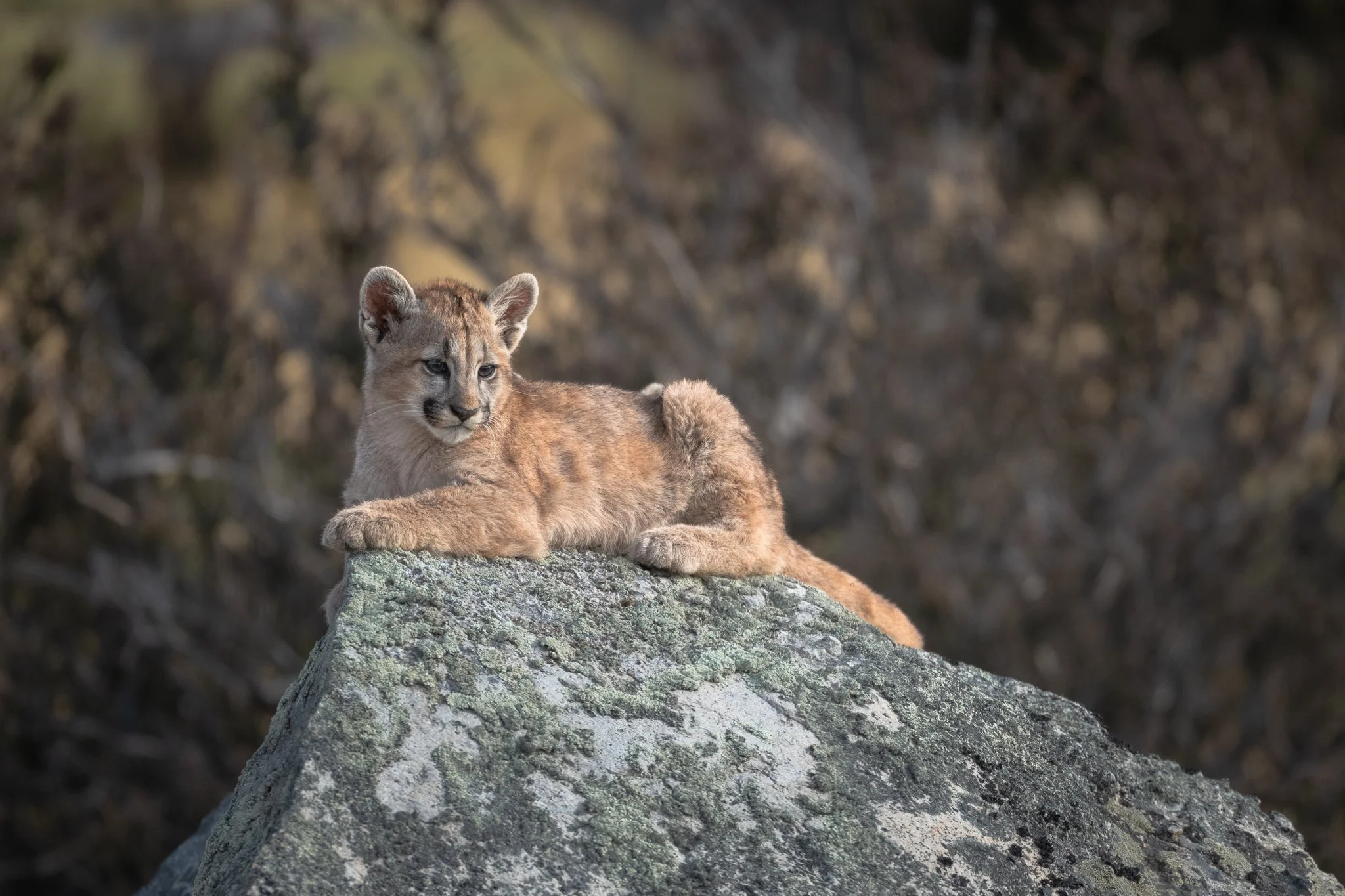
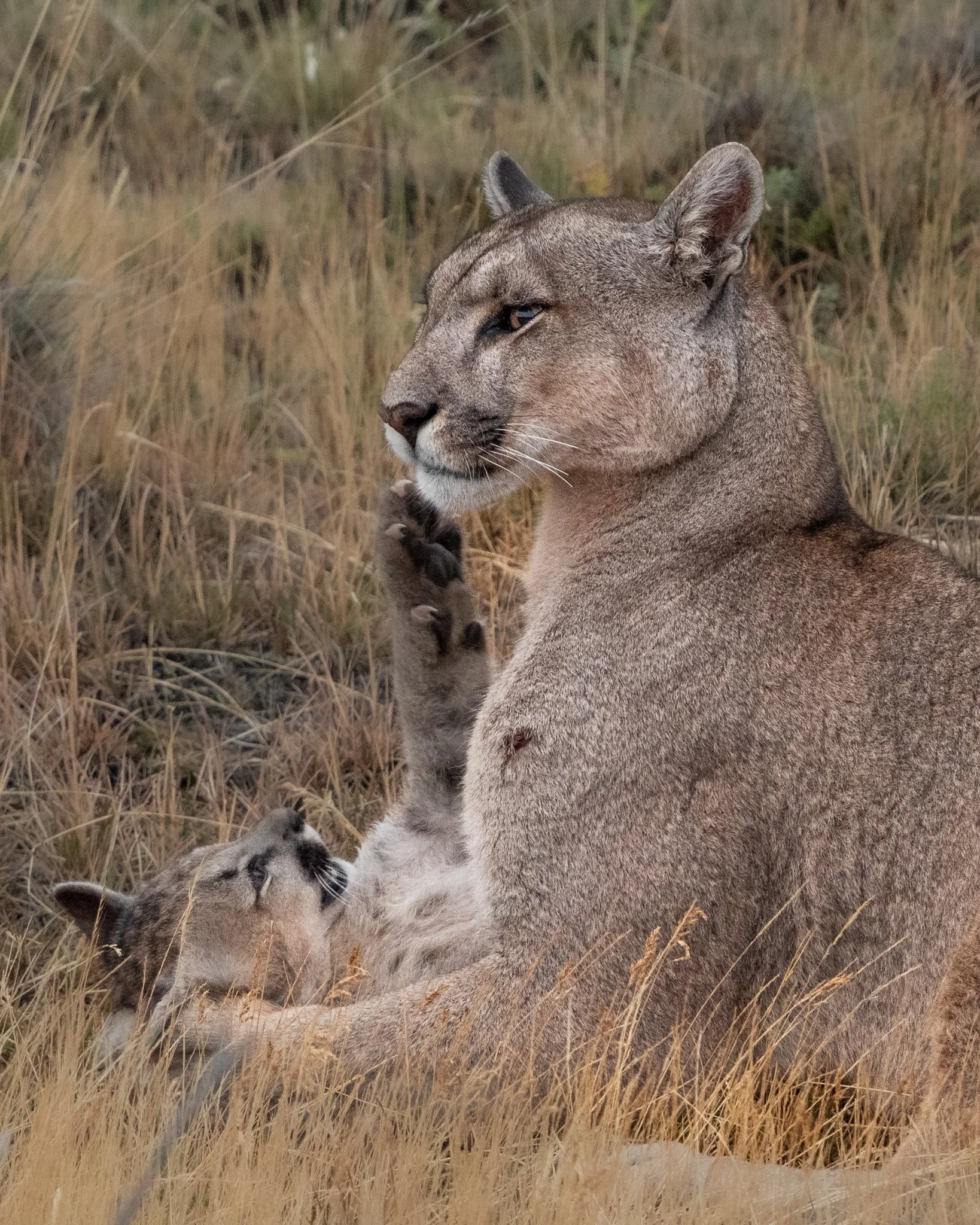
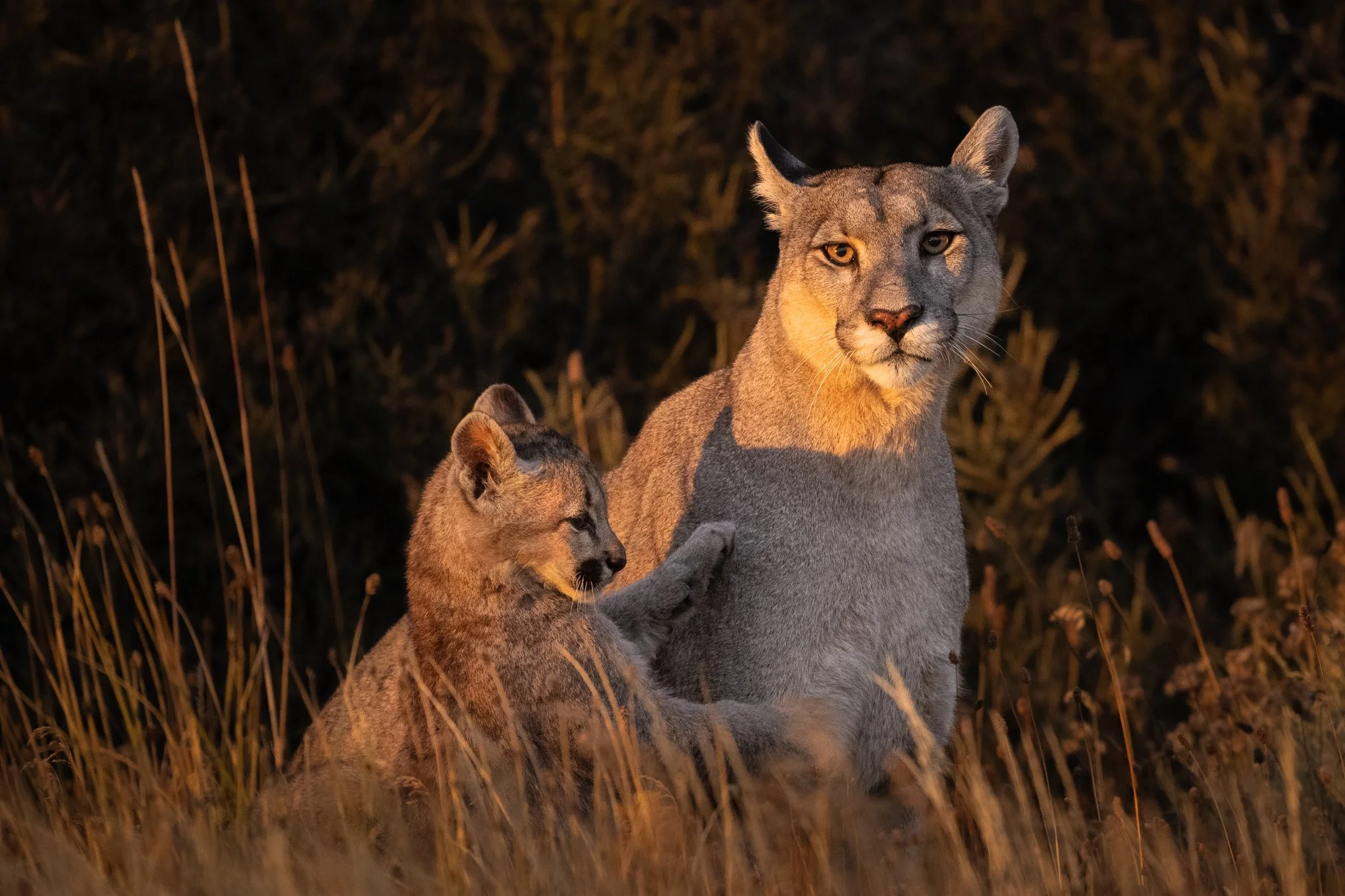
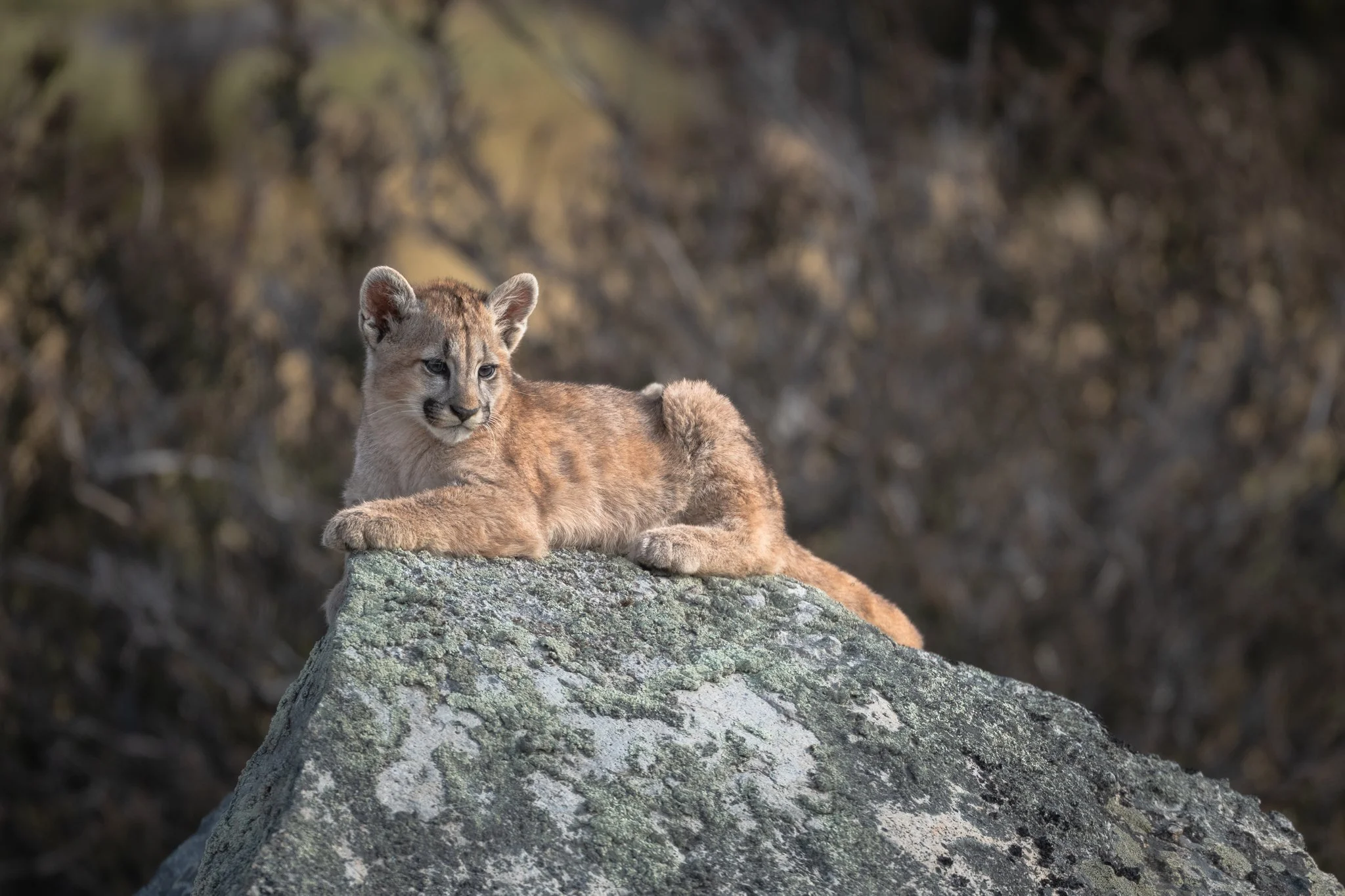
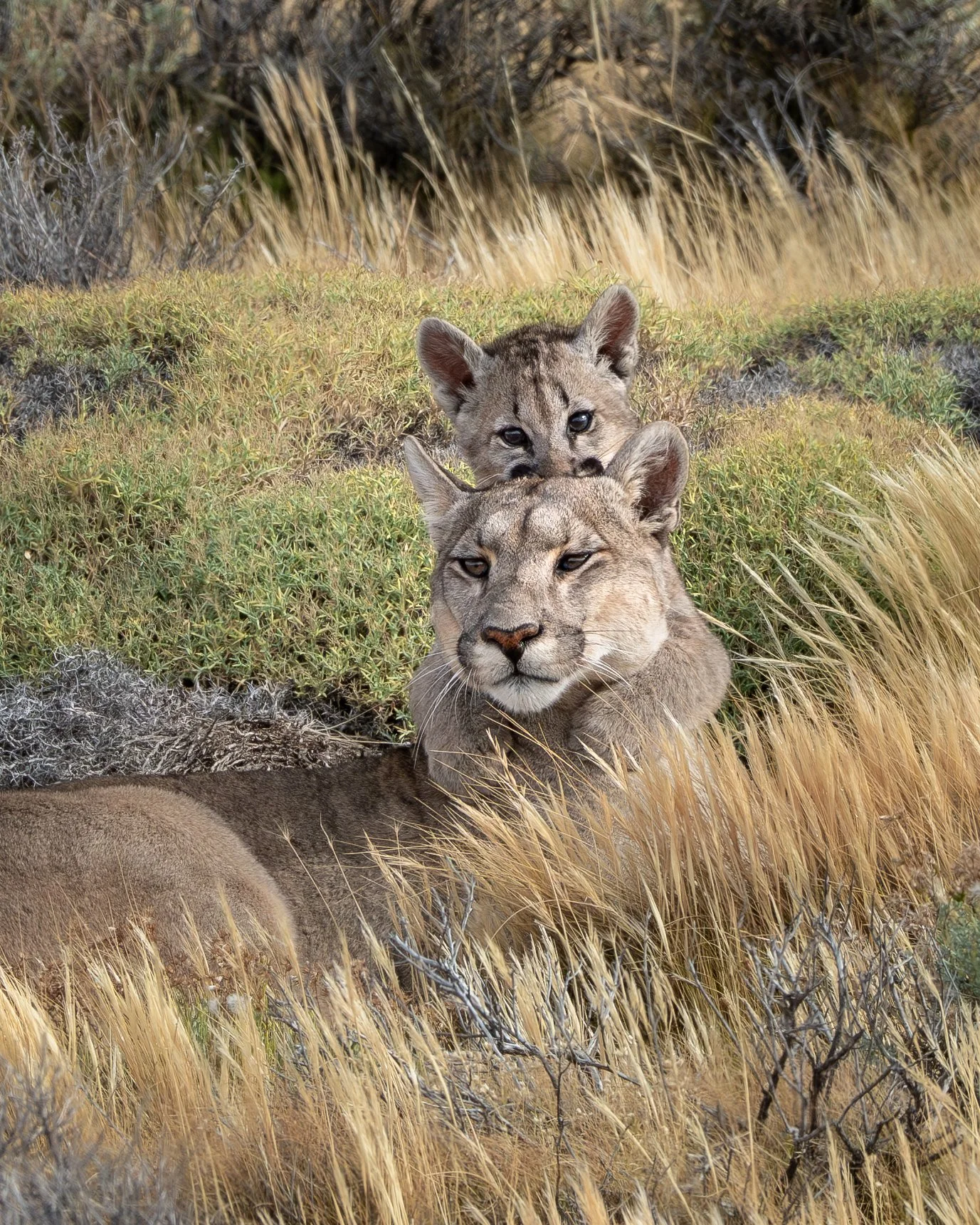
Cubs are often seen in April, when cooler days keep the cats active
A dedicated puma tracker works ahead of the group, in constant radio contact
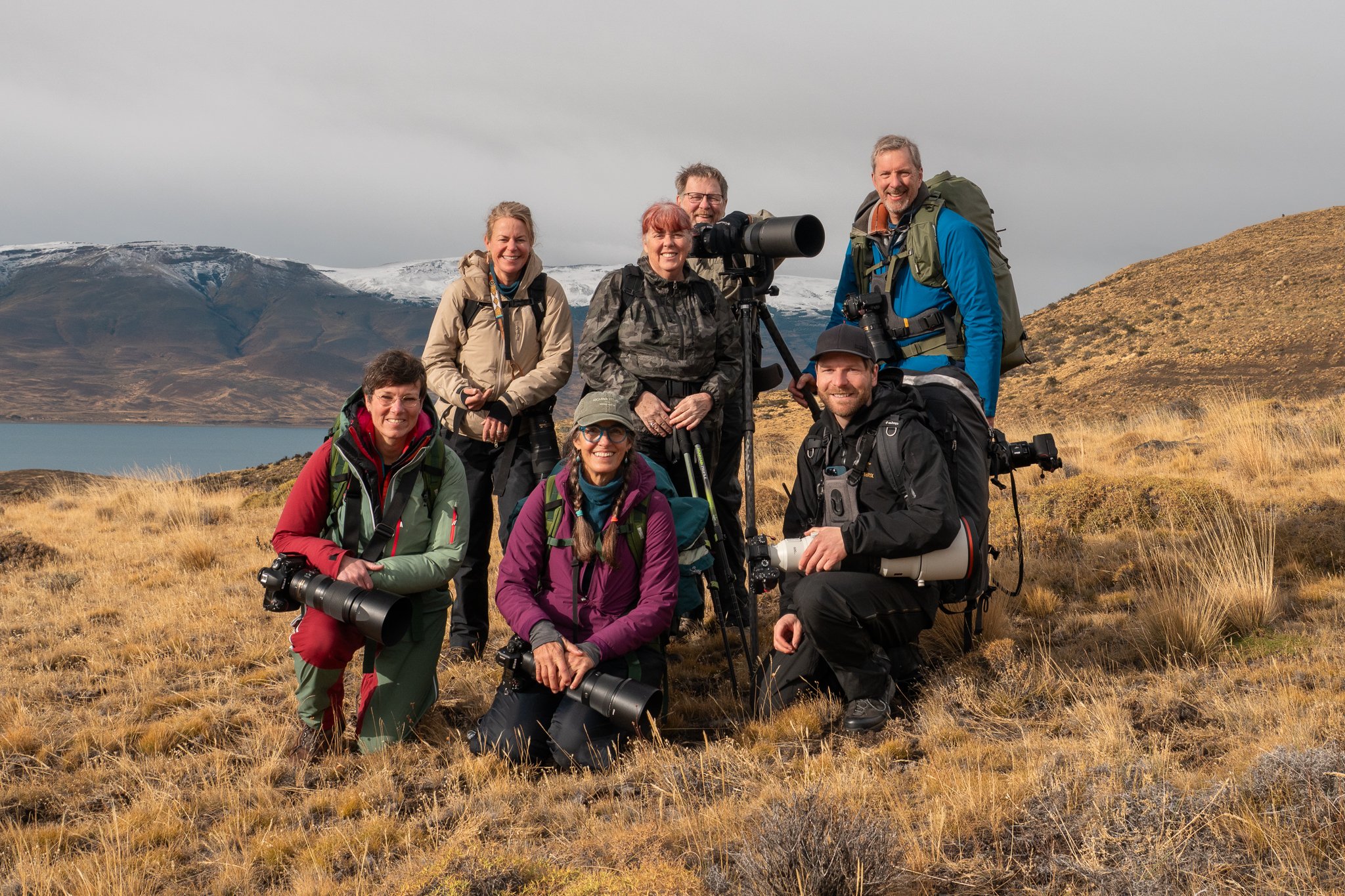
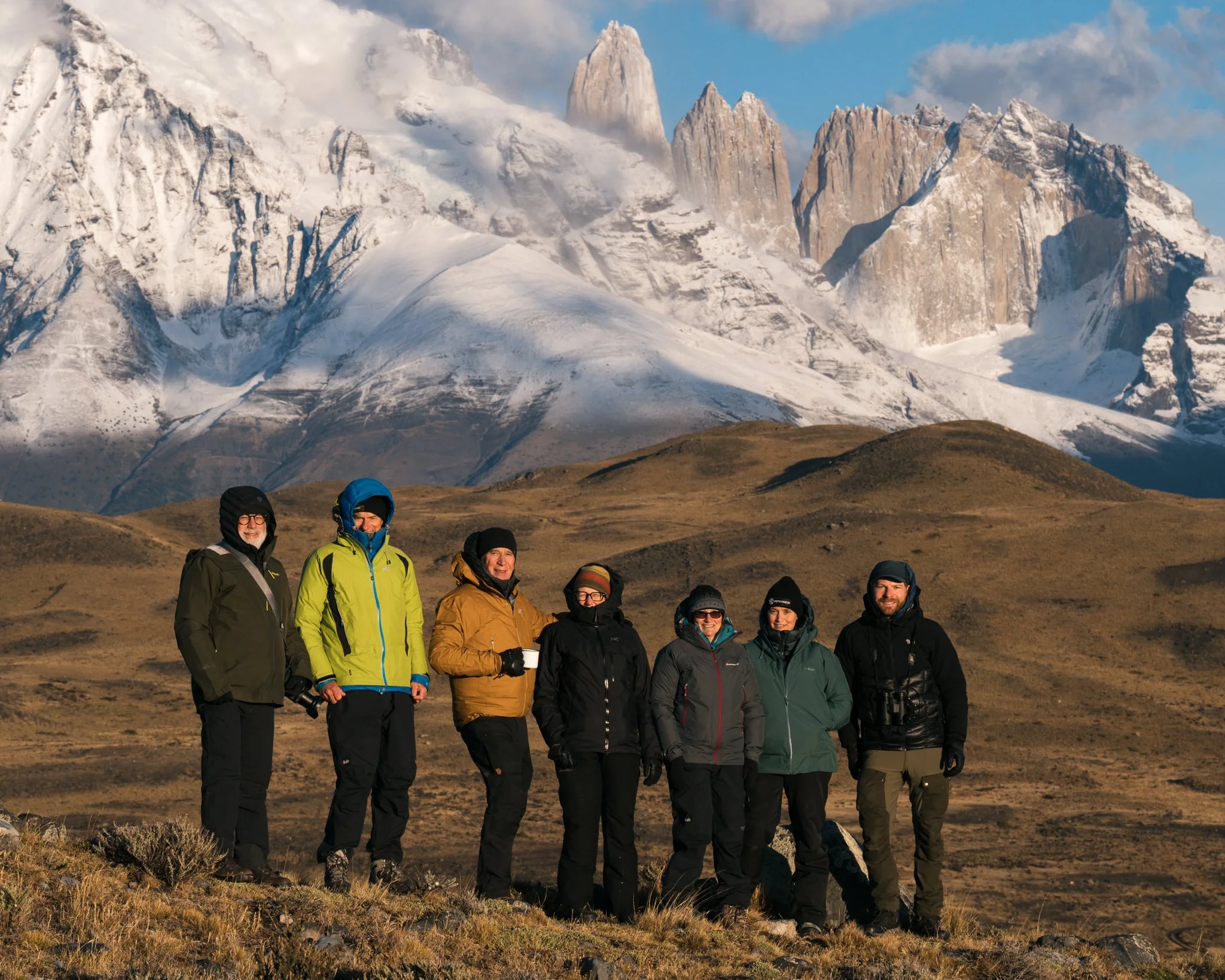
Small group experience (5 guests only, three per 4×4) led by expedition photographer Yuri Choufour

Patagonia - Land of the Puma
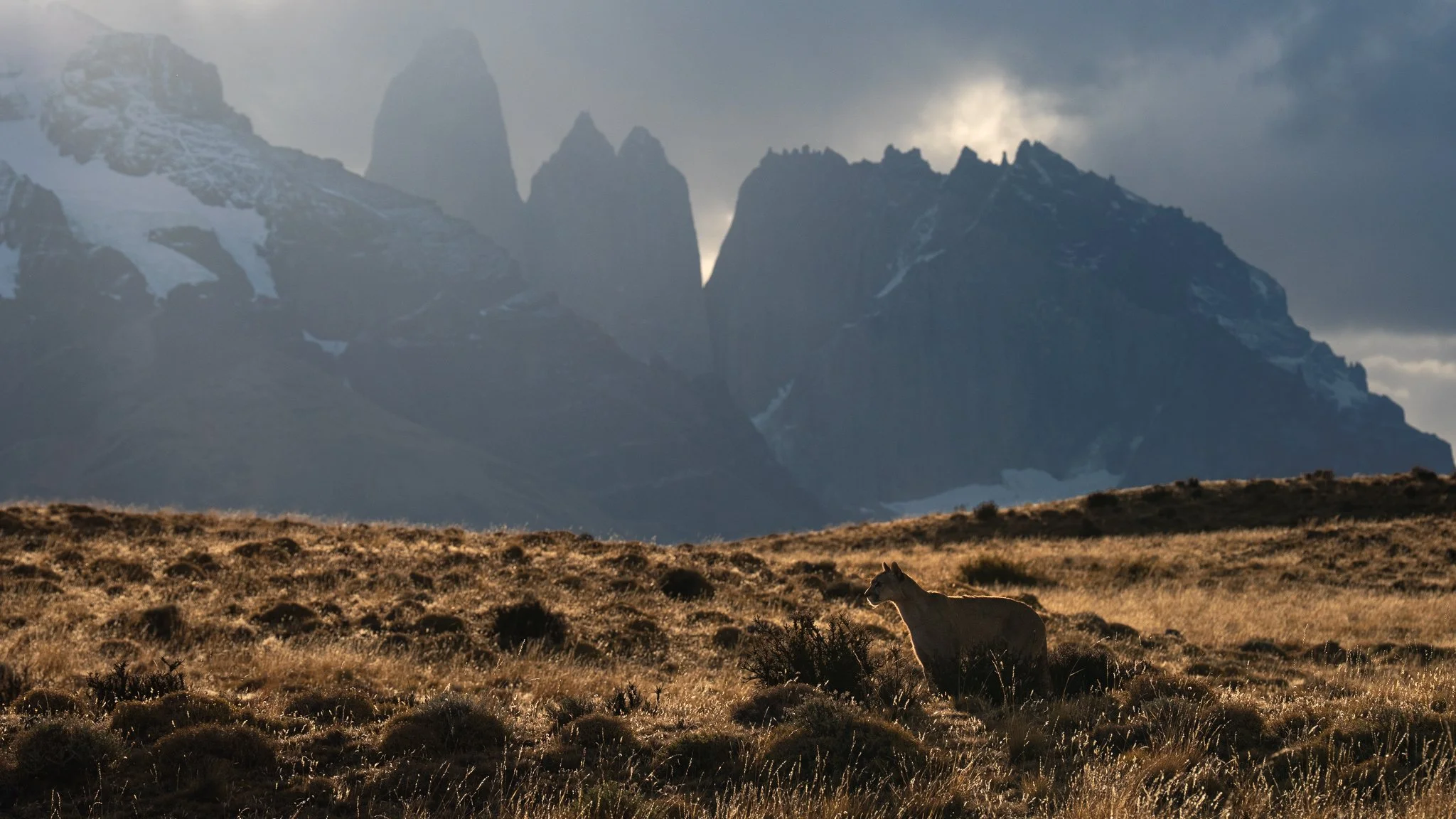
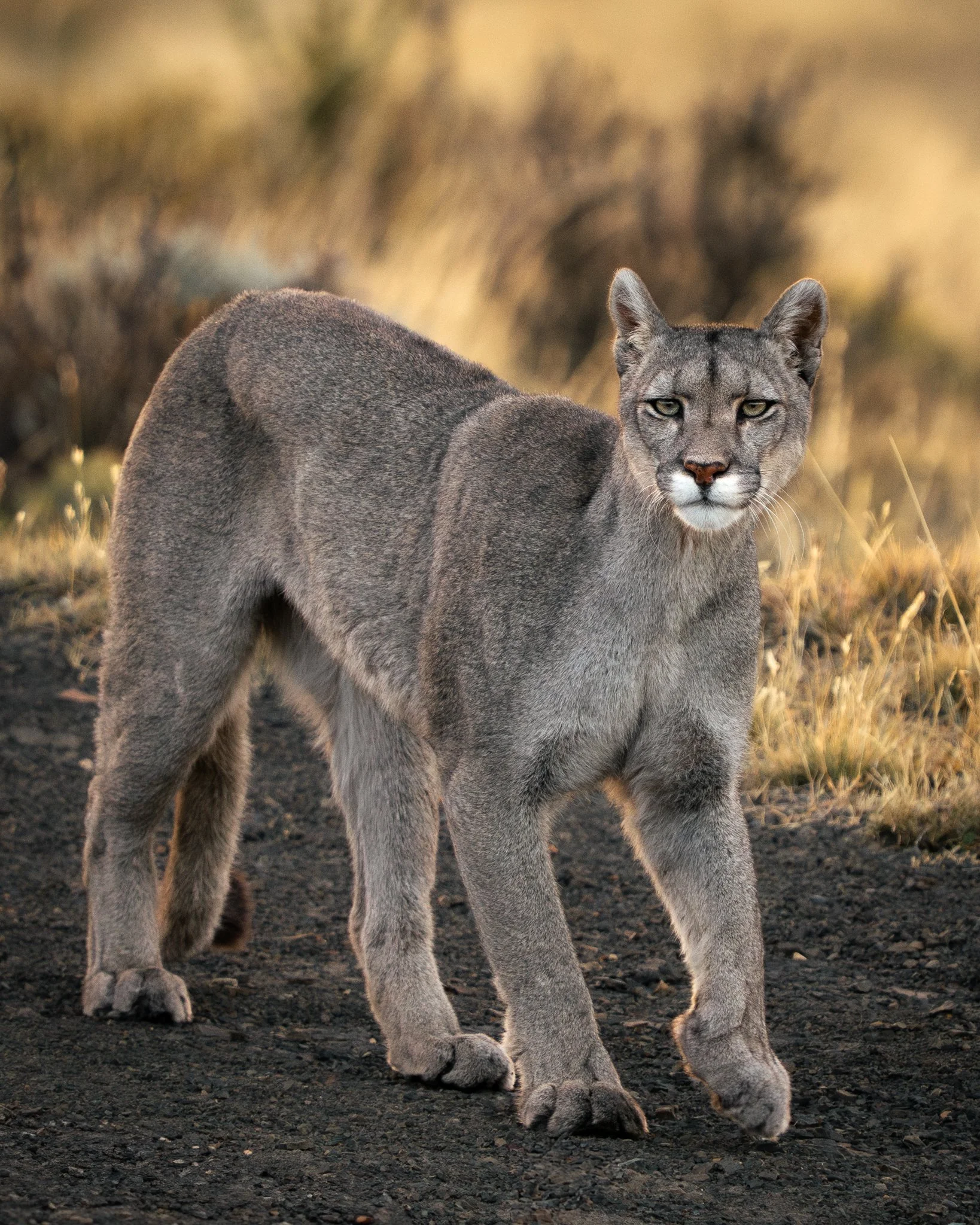
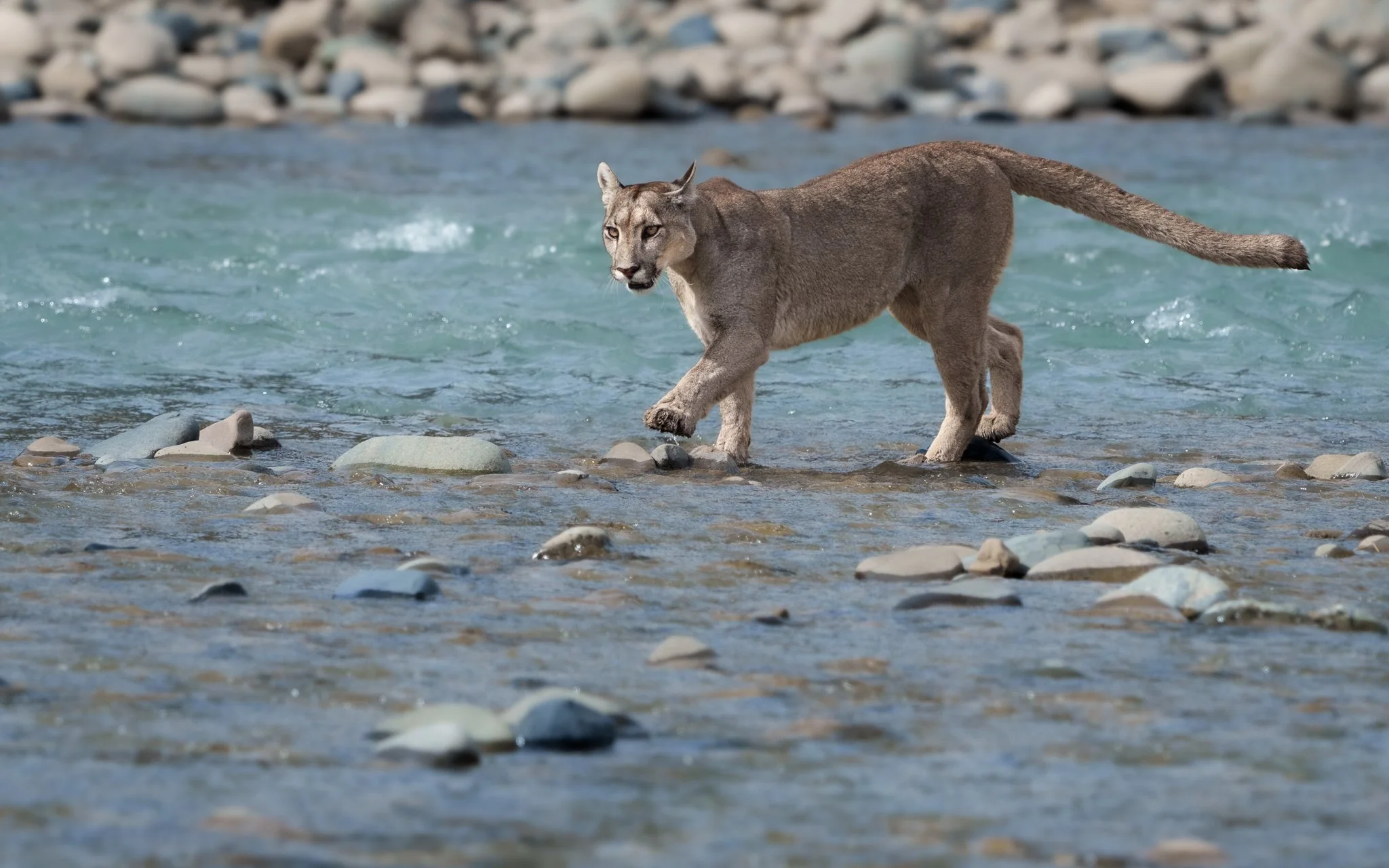
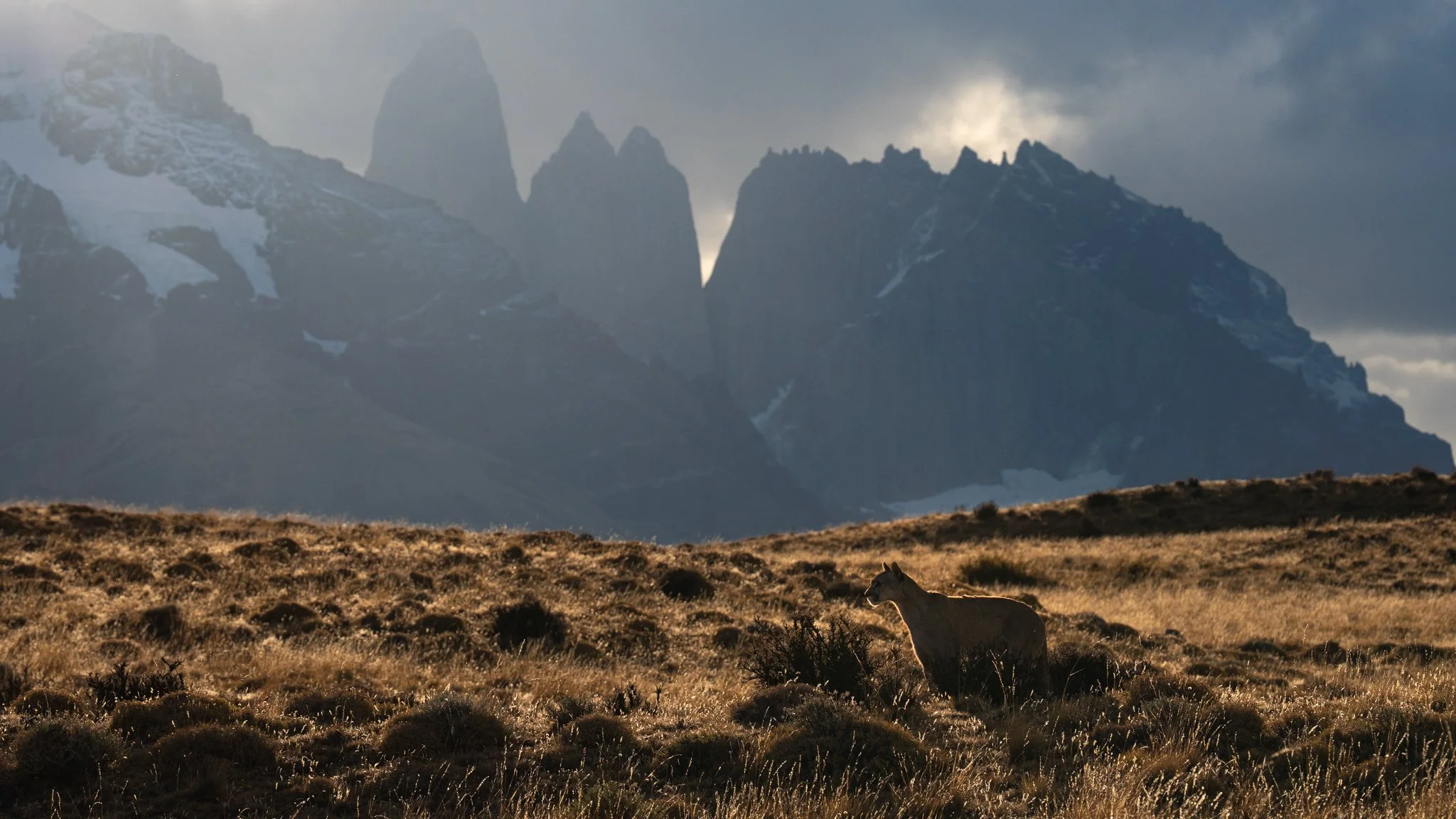
The far south of Chile is one of the last great wildernesses on Earth. Beneath the granite towers of the Paine massif, open grasslands and lenga forests hold the densest population of pumas anywhere in their range, sharing the steppe with guanacos, Andean condors, foxes, and flamingos on the salt lagoons.
This expedition is built for photographers. Based at a working estancia in Cerro Castillo, on private land bordering Torres del Paine National Park, you will spend seven full days in the field with a dedicated puma tracker, following the cats through the soft light and autumn colour of April. The group is capped at just five guests with three photographers per vehicle, and the trip is led throughout by our partner, expedition photographer Yuri Choufour.
The trip is about more than the cats. Puma tourism has changed this corner of Chile: animals once shot as livestock killers are now worth far more alive, and the estancias around Torres del Paine have become some of the most important private conservation land in the country. Your visit supports the trackers, the ranches, and the communities that make that possible.
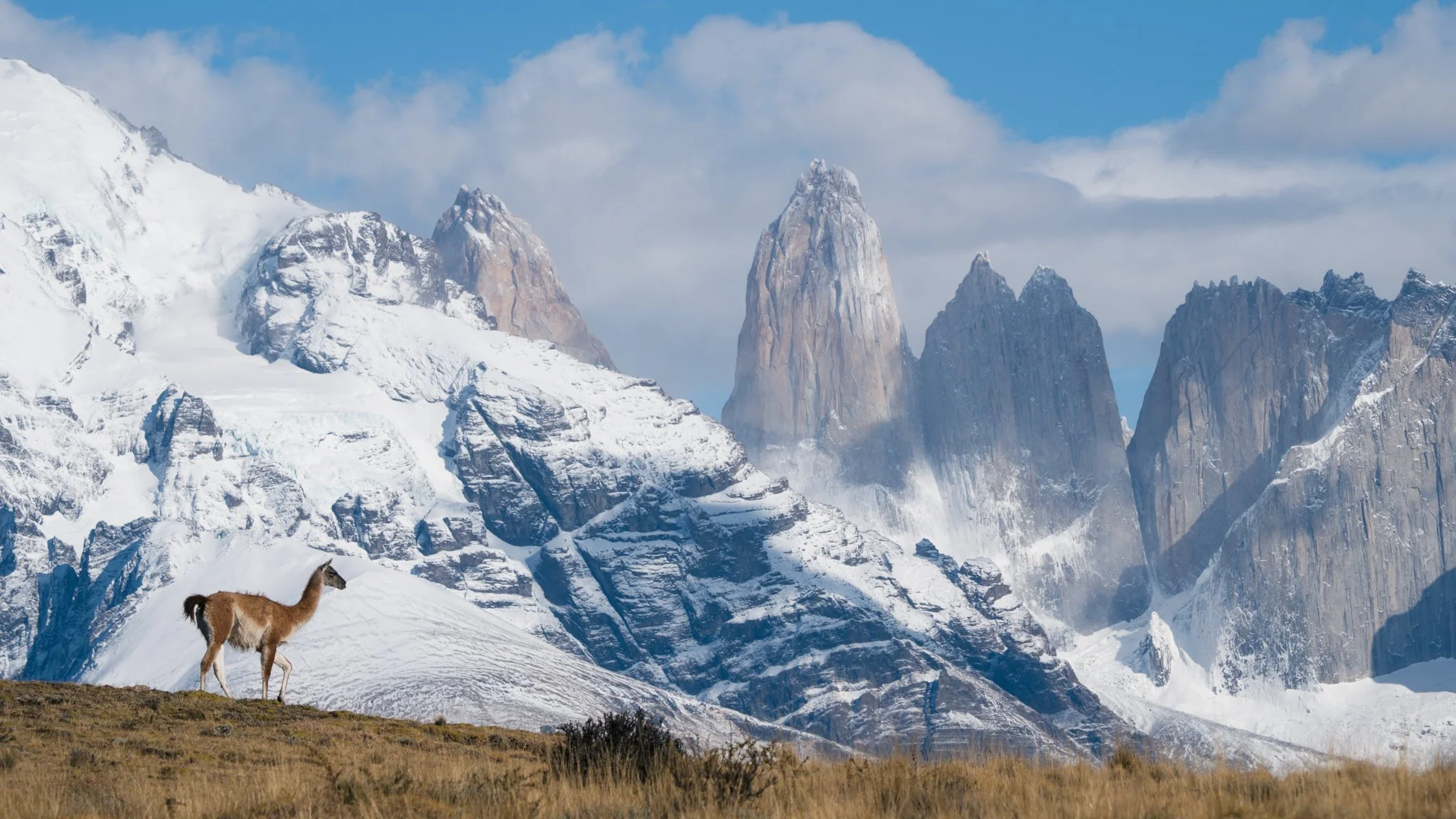
Between puma sessions there is time for the wider cast: guanaco herds on the ridgelines, Andean condors overhead, grey and culpeo foxes, and the towers themselves in their full autumn colours.
“Patagonia is the farthest place to which man walked from his place of origins.”
Your expedition leader:
Yuri Choufour
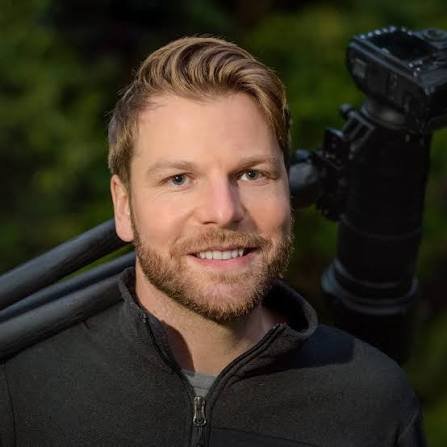
Yuri splits his seasons between the polar regions and the Americas, guiding photography travellers in some of the wildest places on Earth. The pumas of Patagonia are a long-standing personal project, and this departure is built on repeated seasons spent with these cats and the trackers who know them best.
His work centres on wild coasts and cold places: Antarctica and South Georgia in the austral summer, Svalbard and Greenland in the north, and the Great Bear Rainforest at home in British Columbia.
You can view more of Yuri’s photography, including his puma and polar portfolios, at www.yurichoufour.com.
Whether you are an advanced photographer wielding a DSLR camera and 500mm lens or an amateur snapper, he is available to help you get the most out of this trip.
Yuri Choufour is a Canadian wildlife and expedition photographer based in British Columbia. His work spans the polar regions and the wild coasts of the Americas, from Antarctica, South Georgia, and Svalbard to Greenland, the Great Bear Rainforest, and Patagonia.
Yuri has guided photographic travellers all over the world, has travelled with Arctic Tern Expeditions himself, and knows this corner of Chile and its pumas intimately. This expedition is run in direct partnership with him: you book with Yuri, and you shoot beside him for the whole trip. Photography instruction is included throughout, and all skill levels are welcome.
Trip Dates for Pumas of Patagonia
| Date | Trip Length (Days) | Prices from (USD) | Booking | Status |
|---|---|---|---|---|
| April 6-16, 2027 | 11 | $13,750 | Inquire Here | Spaces Available |
Price is per person sharing, based on double occupancy. Single supplement $1,500 USD, with a limited number of single rooms available. This is a partner expedition for a maximum of five guests: you book directly with Yuri Choufour Photography, and his booking terms apply, with a 35% deposit to confirm your place. Guests must arrive in Santiago by April 5, 2027.
the finer points
Photographing pumas in Patagonia
Seven consecutive days in puma country, with the freedom to follow the light rather than a schedule. Expect low golden sun, fast-changing weather, and everything from big cats to big landscapes in the same hour.
The trip suits photographers from enthusiast to professional; you only need to be comfortable with shutter speed, aperture, and ISO. A 400-600mm lens is the working range for the cats, with a second body and a shorter zoom for pumas in the landscape.
Between sessions there is time for image critiques, technical help, and field craft, with Yuri and the tracker on hand to explain the behaviour you are photographing.
WILDLIFE
-
This corner of Chile holds the densest puma population on Earth. Your tracker reads sign from first light and stays in radio contact with the guide, so the group is often on a cat before sunrise. Sightings are wild and never guaranteed, but with seven full days in the field most groups photograph several individuals, and April is the best month for cubs.
-
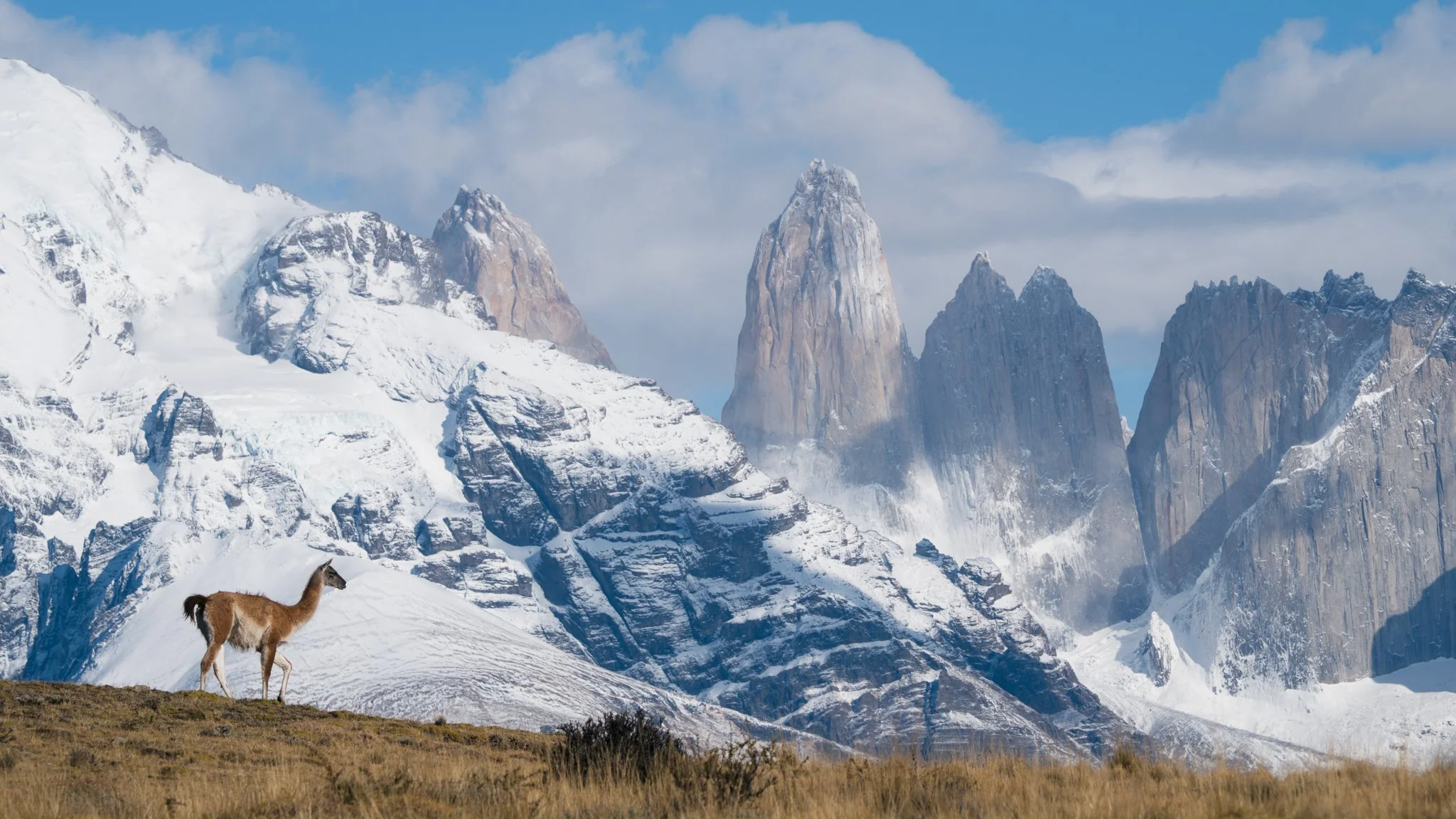
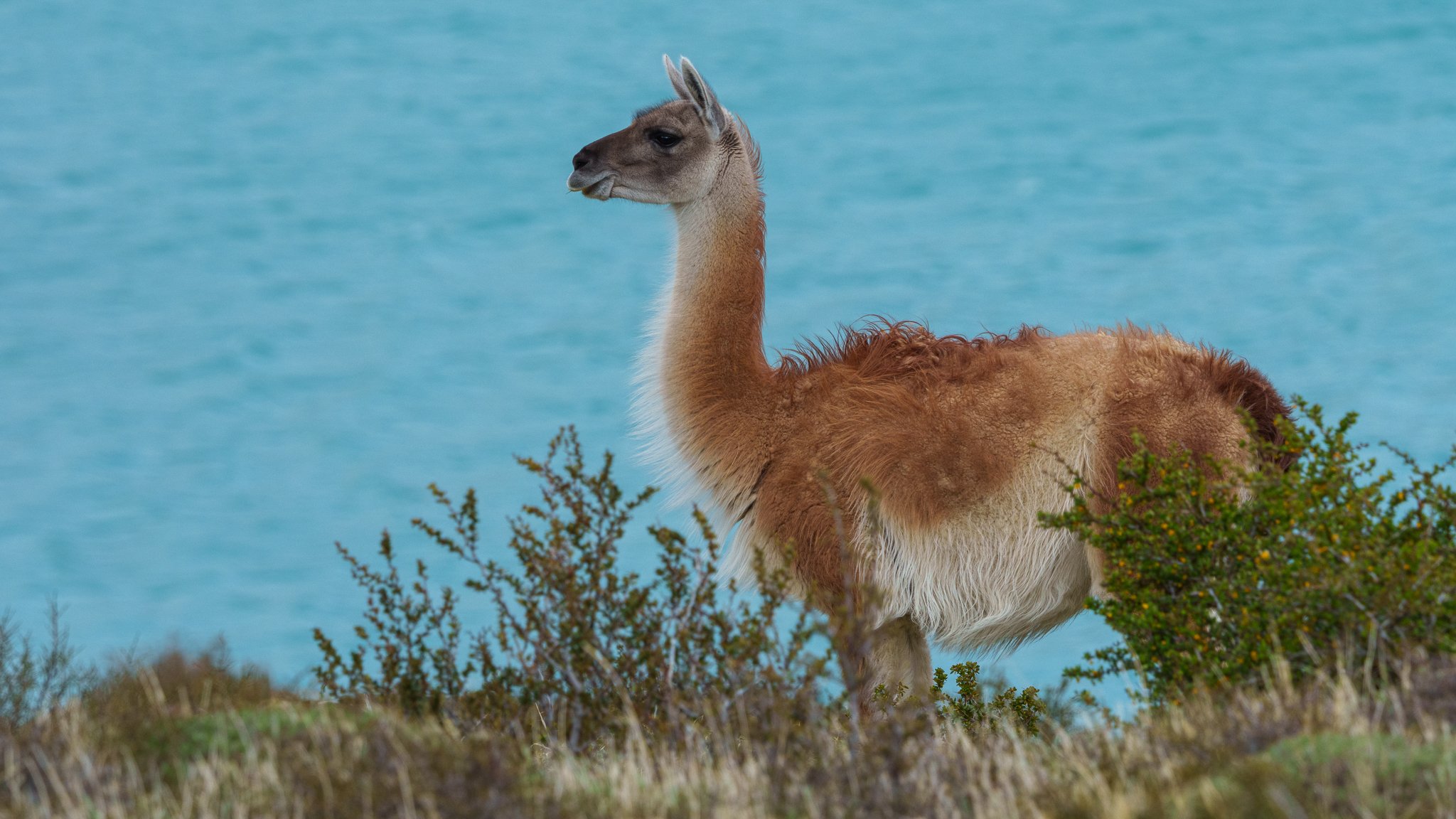
The pumas are here because the guanacos are. Big herds graze the ridgelines and pose against the towers, and their alarm calls are the soundtrack of every hunt. Easy to overlook, endlessly photogenic.
-
The largest flying bird on Earth patrols the cliff lines here on a three-metre wingspan. Condors ride the same ridgeline thermals day after day, giving repeatable chances at flight shots against rock, snow, and autumn colour.
-
Culpeo and South American grey foxes hunt the grasslands around the estancia, with skunks, armadillos, owls, and flamingos on the salt lagoons filling the quieter hours between cats.
-
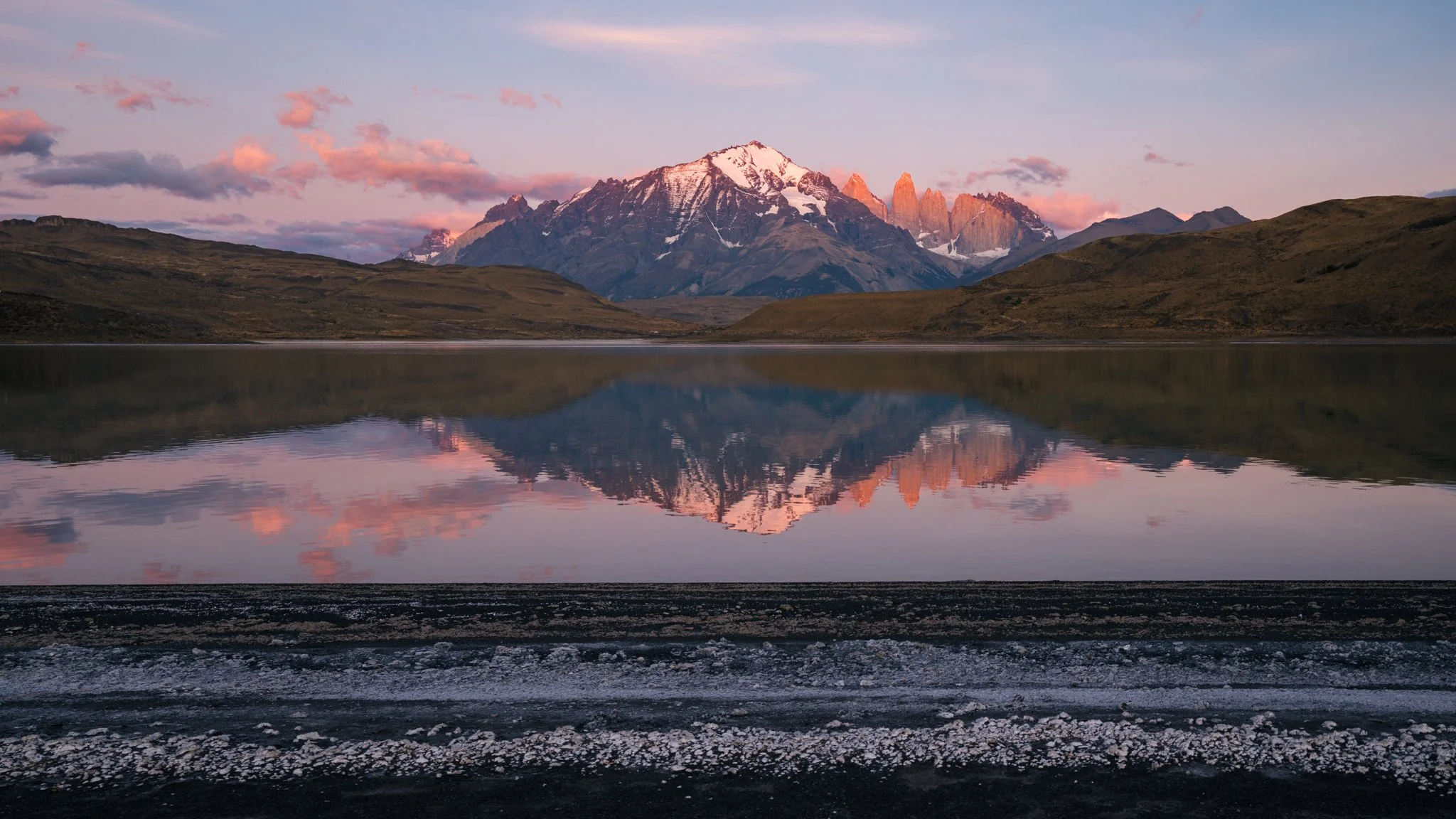
Autumn turns the lenga forests red and gold beneath the granite spires of the Paine massif. Dawn alpenglow on the towers, storm light over the steppe, and long low sun for most of the day: the backdrop here is worth the trip on its own.
Trip Itinerary
Eleven days from Santiago to Santiago, built around seven full days of puma tracking from a working estancia at Cerro Castillo, on the doorstep of Torres del Paine. The rhythm of each field day follows the cats and the light, with your tracker and Yuri deciding where the best chances are.
-
Fly from Santiago to Punta Arenas on the included group flight and transfer to the hotel. Meet Yuri and the group for a welcome briefing on the days ahead. [Overnight at Hotel Jose Nogueira]
-
Drive north across the steppe to Estancia El Ovejero at Cerro Castillo, on the edge of Torres del Paine. Settle in, meet your puma tracker, and head out for a first scouting session in the evening light. (D) [Overnight at Estancia El Ovejero]
-
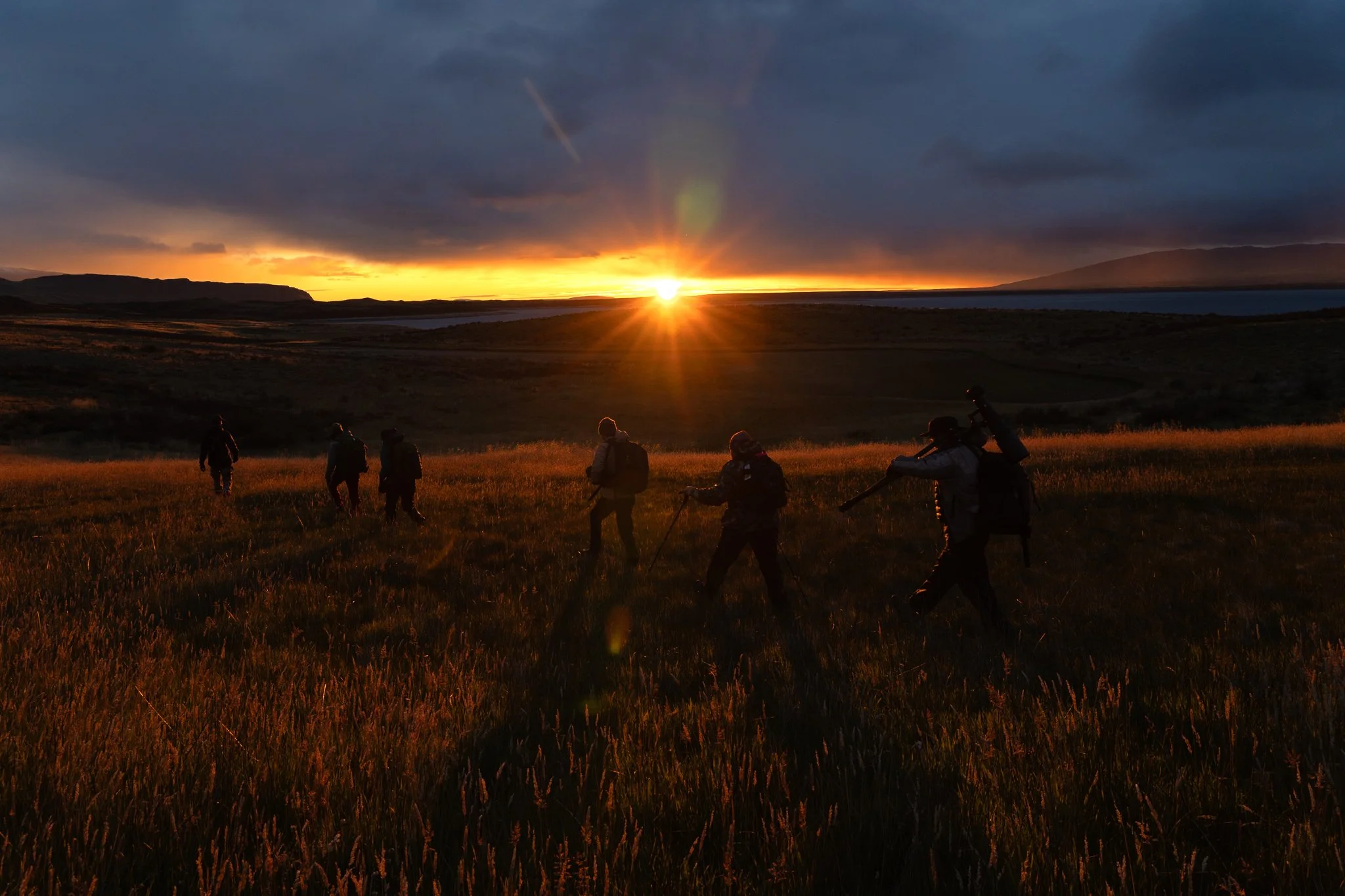
A pre-dawn start as the tracker reads overnight sign. Mornings and evenings are prime puma time; the middle of the day belongs to guanacos, condors, lunch, and rest. (B, L, D) [Overnight at Estancia El Ovejero]
-
Seven full field days give you the luxury of patience. Work a known female, wait out a sleeping cat, or move on fresh sign; Yuri and the tracker call it as the day unfolds, and the low autumn sun keeps the light workable well into the morning. (B, L, D) [Overnight at Estancia El Ovejero]
-
Another dawn puma session, then time with eyes on the ridgelines where the condors ride the thermals. Evening tracking as the light turns gold across the steppe. (B, L, D) [Overnight at Estancia El Ovejero]
-
Pumas first, always; between sessions turn your lenses on foxes, guanaco herds, and the Patagonian landscape. Evenings end with dinner and image reviews at the estancia. (B, L, D) [Overnight at Estancia El Ovejero]
-
Tracking continues, with time for the landscape itself: red and gold lenga forest beneath the granite towers of the Paine massif, and the classic viewpoints on the park boundary. (B, L, D) [Overnight at Estancia El Ovejero]
-
By now you know individual cats by name. Longer sits pay off in behaviour: greetings, play between cubs, and, with luck, a hunt. (B, L, D) [Overnight at Estancia El Ovejero]
-
A final dawn and dusk with the pumas, and a farewell dinner at the estancia to close out seven full days in the field. (B, L, D) [Overnight at Estancia El Ovejero]
-
One last early session if the cats allow, then the drive south to Punta Arenas. Evening at leisure to explore the town. (B) [Overnight at Hotel Kran Kreen]
-
Transfer to the airport for the included flight back to Santiago and your onward connections home, cards full of pumas. (B)
Eleven days, one objective: the best puma photography on Earth, in the most beautiful season Patagonia offers. Seven full field days with a dedicated tracker, a group capped at five, and Yuri beside you gives this trip a depth no short itinerary can match. Stay on a working estancia, eat well, and come home with a body of work rather than a single lucky frame.
What is included:
Ten nights of accommodation, based on double occupancy
Photography instruction from Yuri throughout the trip
Return flights Santiago to Punta Arenas
Puma tracking and guiding fees, with a dedicated tracker in the field
Park fees and access to private estancia land
All meals at Estancia El Ovejero
4×4 vehicle transportation, with a maximum of three photographers per vehicle
Transfers between Punta Arenas and the estancia in both directions
Not Included:
International flights to and from Santiago (SCL); guests must arrive by April 5, and that night in Santiago is at your own cost
Baggage fees
Camera equipment
Travel insurance with medical and evacuation cover (required)
Visas and vaccinations
Meals outside Estancia El Ovejero, including in Punta Arenas
Alcohol and gratuities
Patagonia FAQ
-
A: The trip is capped at just five guests, with no more than three photographers per 4×4, so everyone has a window seat and room to work.
-
A: No vaccinations are required to enter Chile. Make sure routine vaccinations are up to date; hepatitis A and typhoid are the standard recommendations for South America. There is no malaria or yellow fever in Patagonia. Travel insurance with medical and evacuation cover is required for this trip.
-
A: US, UK, Canadian, and EU passport holders do not need a visa for Chile and can stay up to 90 days. Your passport should be valid for your stay with a blank page for the entry stamp, and keep the tourist card you are given on arrival; you will need it on departure.
-
A: April. Autumn is widely regarded as the best month of the year for puma photography in this region. Cooler days keep the cats active well beyond dawn and dusk, cubs born the previous summer are at a playful age and often seen with their mothers, the lenga forests turn red and gold, and the low autumn sun gives soft photographic light for most of the day.
-
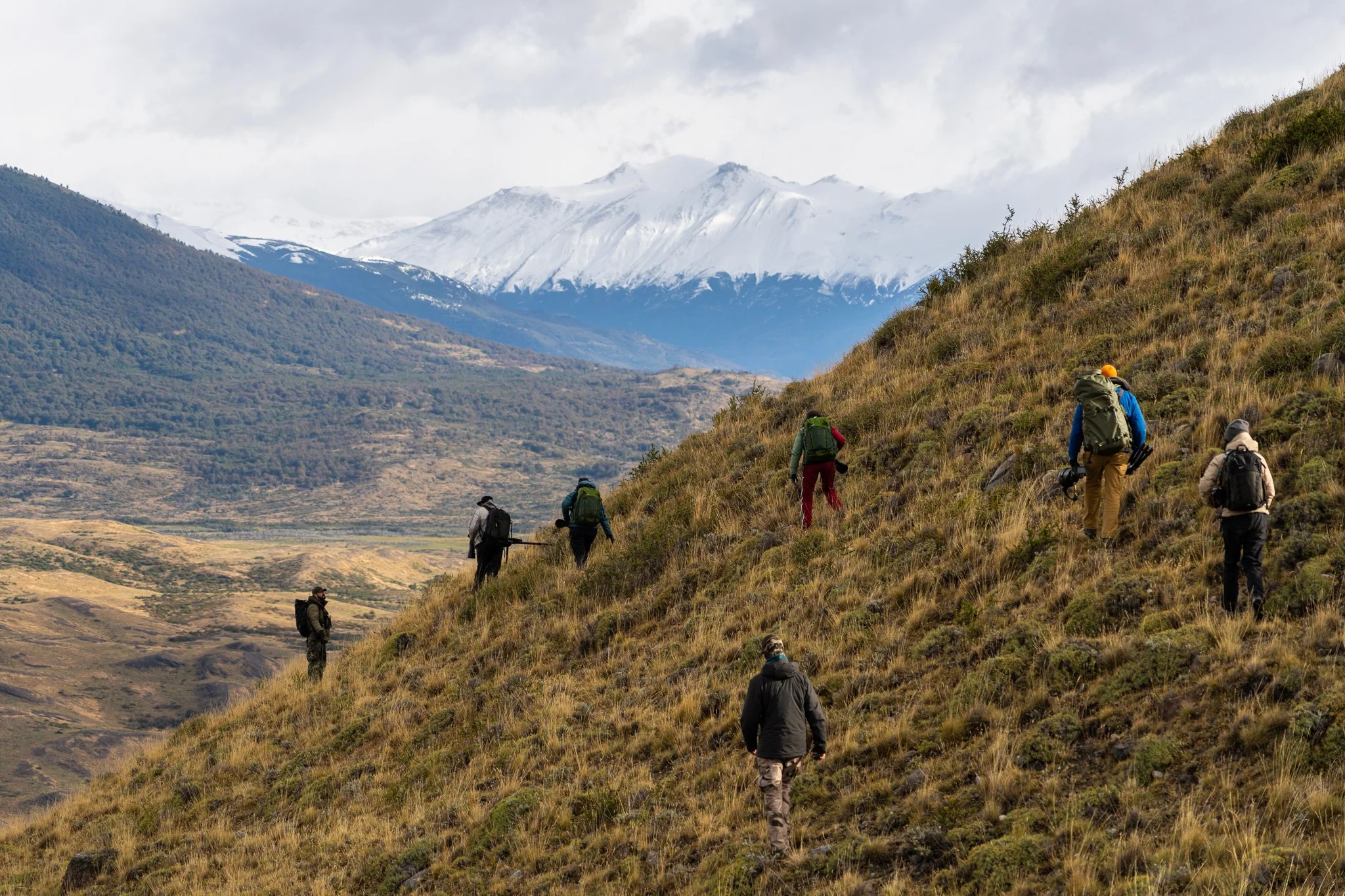
A: This is a vehicle-based photographic trip, not a trek. Most tracking is done from the 4×4s, with short walks over open, uneven ground and occasionally a couple of kilometres at a brisk pace when a cat is on the move. If you can comfortably walk that far over rough pasture carrying your own camera kit, you will be fine. Guests with limited mobility can still photograph from and near the vehicles; ask us and we will talk it through.