Guest Insurance & Safety Guide
Protecting Your Travel With Arctic Tern
At Arctic Tern Expeditions, your safety is our highest priority. We operate in some of the most remote and extraordinary environments on Earth. These destinations offer unparalleled experiences, but they also require careful preparation, particularly when it comes to travel insurance.
This guide is designed to help you understand what coverage you need and how emergency response works across our global expeditions.
Why Insurance Is Essential
All Arctic Tern Expeditions journeys take place in regions where:
Access to hospitals and advanced medical care may be limited or distant
Emergency evacuation may require specialized aircraft or coordination with local authorities
Weather, terrain, or infrastructure may delay response times
For these reasons, comprehensive travel insurance is mandatory for all guests.
Minimum Insurance Requirements
All guests must carry insurance that includes:
Emergency medical coverage
Emergency medical evacuation and repatriation
Coverage for expedition activities (e.g., small vessel travel, trekking, wildlife excursions)
We recommend a minimum of:
$250,000 USD emergency evacuation coverage (minimum)
$500,000+ strongly recommended for polar and remote expeditions
Proof of insurance may be requested prior to departure.
Understanding Emergency Evacuation
Emergency evacuation procedures vary significantly depending on your destination. It is important to understand how evacuation works in each environment.
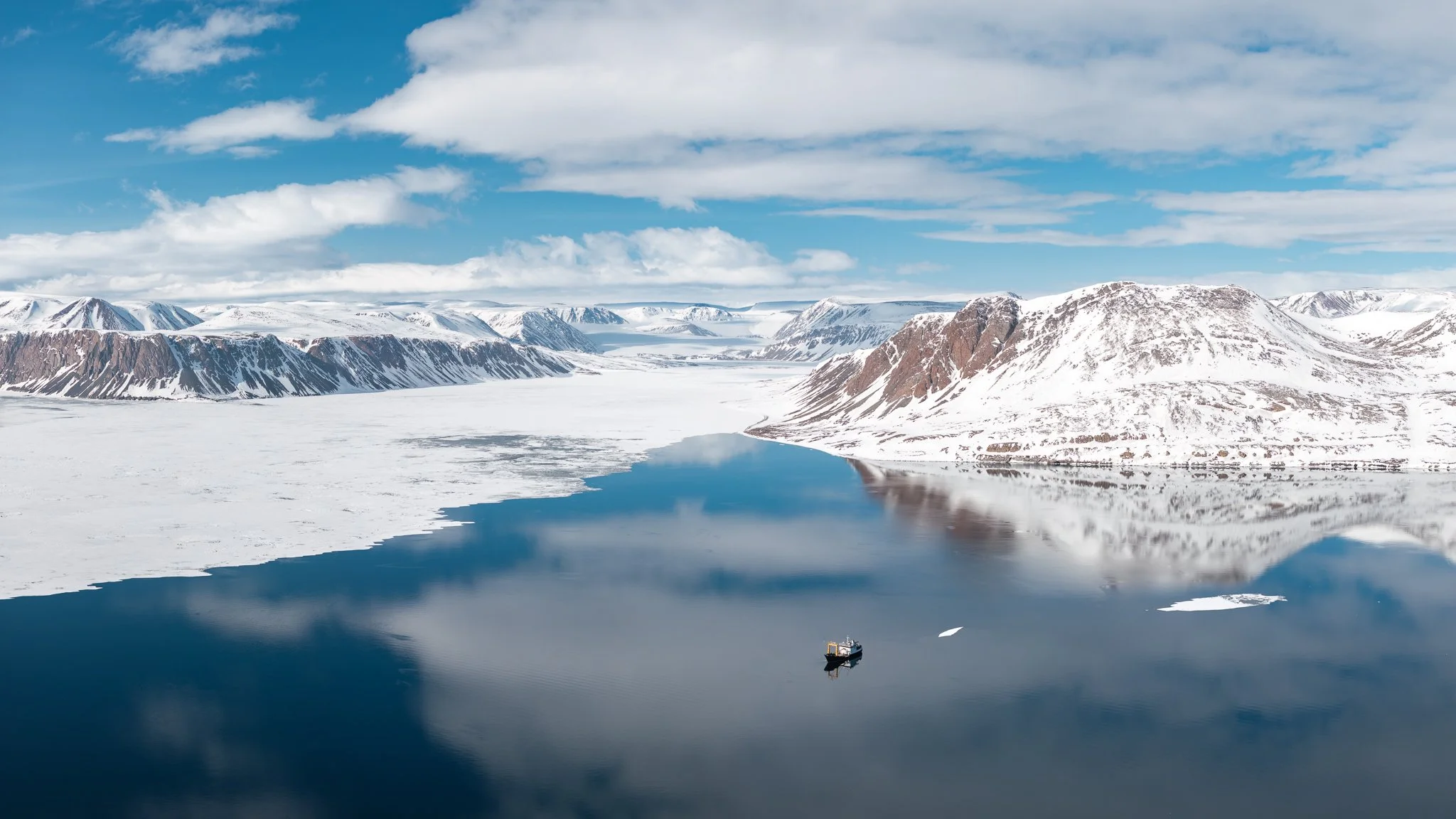
Svalbard & High Arctic Expeditions (Including Areas Near or Above 80°N)
Our Arctic voyages operate in one of the most remote maritime environments in the world.
What to expect:
Evacuation is typically coordinated by Norwegian Search and Rescue (SAR) services
Extraction may involve helicopter evacuation from the vessel
Response times depend on:
Weather conditions
Ice coverage
Vessel location
Important considerations:
There may be delays of hours or days before evacuation is possible
Some insurance policies may not fully cover:
Helicopter extraction
SAR-related costs
Operations in extreme northern latitudes
Republic of Congo
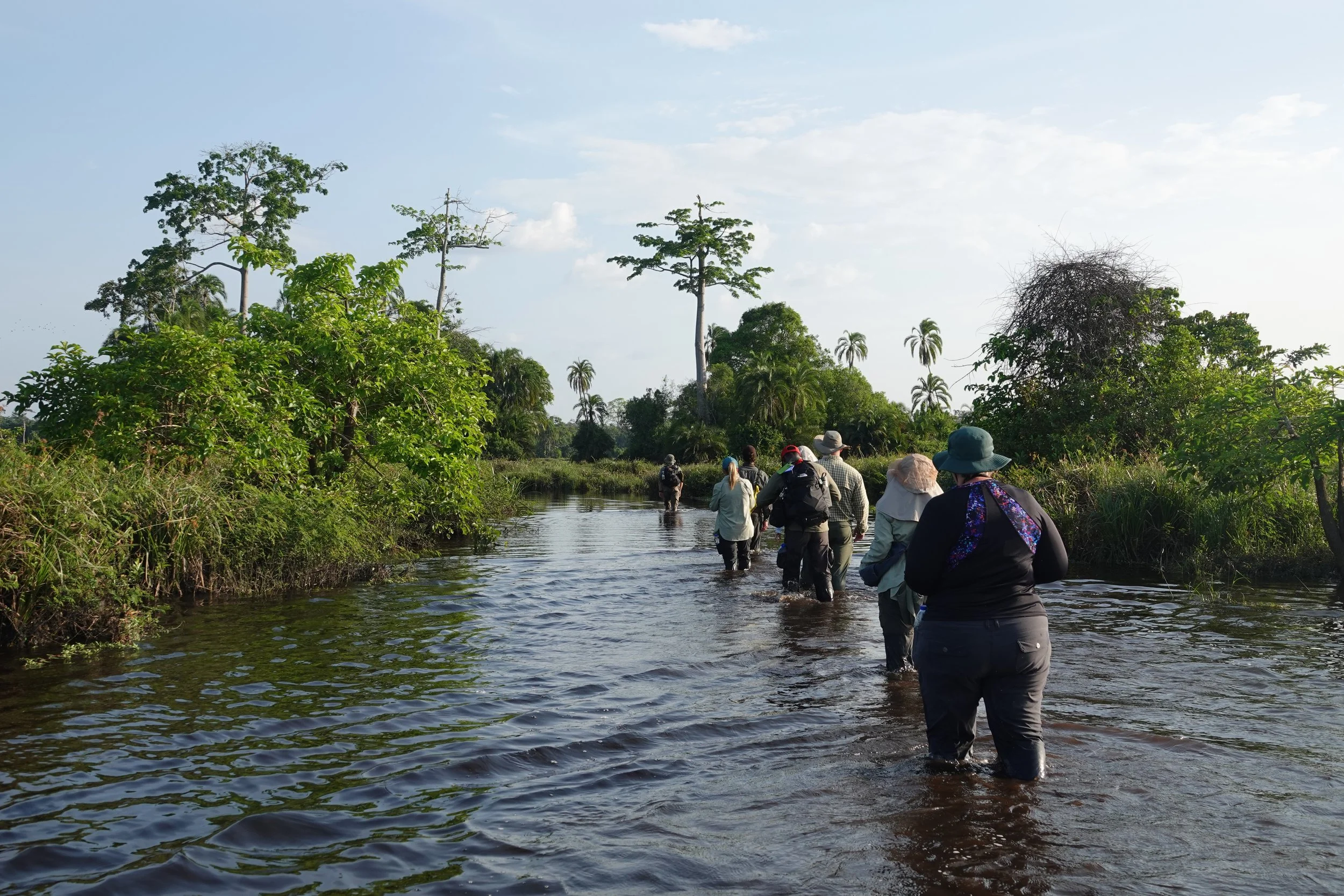
These expeditions take place in remote communities and rainforest environments with limited infrastructure.
What to expect:
Evacuation may involve:
Ground transport (often slow due to terrain)
River transport
Charter aircraft or helicopter (if available)
Important considerations:
Medical facilities are limited and basic
Evacuation logistics can be complex and time-sensitive
Insurance must cover:
Remote evacuation
Medical repatriation to another country if necessary
Nepal
Our trekking expeditions operate at altitude in mountainous terrain.
What to expect:
Evacuation is typically by:
Helicopter rescue
Often required for:
Altitude illness
Injury on trail
Important considerations:
Helicopter evacuation is common but expensive
Insurance must explicitly cover:
High-altitude trekking
Helicopter evacuation in Nepal
Uganda (Wildlife & Safari Expeditions)
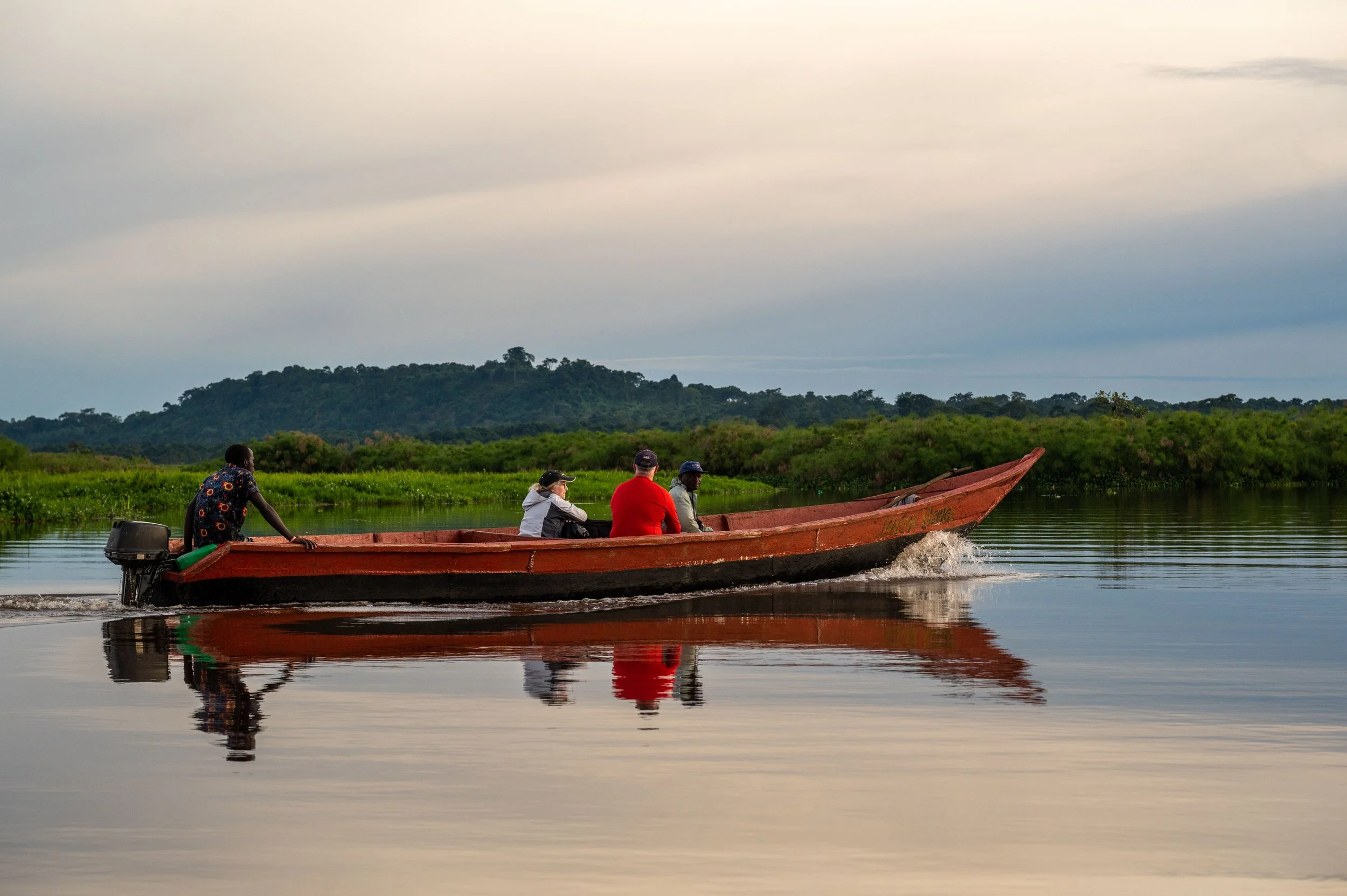
These trips take place in national parks and remote conservation areas.
What to expect:
Evacuation may involve:
Ground transport
Light aircraft evacuation
Access to care improves near major cities
Important considerations:
Wildlife areas can be remote with limited immediate care
Insurance should cover:
Medical evacuation by air
Regional medical transfer
Important Insurance Limitations

Not all insurance policies are the same. Guests should be aware:
Some policies exclude remote or expeditionary travel
Some policies require pre-approval before evacuation, which may not be possible in emergencies
Some policies do not fully cover:
Search and rescue operations
Helicopter extraction
Remote-area evacuations
Financial Responsibility
Guests are responsible for:
All medical expenses
All evacuation and repatriation costs
Any costs not covered by their insurance policy
Arctic Tern Expeditions cannot guarantee that any insurance provider will fully reimburse these costs.
Emergency Response Protocol
In the event of an emergency:
Immediate care will be provided by your expedition staff/crew/local guides
The Captain and/or Expedition Leader will determine the appropriate next response
Evacuation will be initiated based on safety and medical necessity
Insurance providers will be contacted as soon as reasonably possible
Decisions are made based on:
Safety of all guests and crew
Environmental conditions
Available resources
Recommended Providers (Starting Points Only)
While we do not endorse specific providers, guests often explore:
Battleface
IMG Global
Global Res
World Nomads
Guests traveling to highly remote regions should carefully confirm:
Geographic coverage
Activity coverage
Evacuation terms
Final Recommendation
Before traveling, we strongly recommend that you:
Contact your insurance provider directly
Confirm coverage for your specific destination and activities
Ask specifically about:
Emergency evacuation from remote areas
Helicopter or air evacuation
Expedition travel
Questions?
If you have any questions about insurance requirements or need guidance, our team is happy to help point you in the right direction.
We look forward to welcoming you on an extraordinary journey.